
Our Facebook Page to Follow: Aquarium/Pond Answers Facebook
This is a unique resource for answers, help, & advice to aquarium and pond questions not found elsewhere; With regular posts & article updates.
In our research; we use aquaculture, horticulture, medical, & university research to compile many of our articles.Our Recommended Lighting for highest efficiency professional planted/reef aquariums: "AquaRay Lighting"
Octopus as Aquarium Pets
Keeping an Octopus in a Home Saltwater Aquarium.
By Carl Strohmeyer-PAMR 40+ years experience
Updated 5/13/20
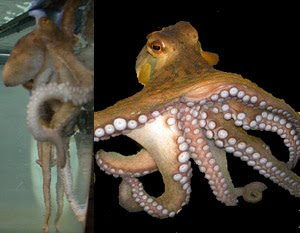
I have kept o. rubescens (pictured), brown, and even poisonous blue ring octopi, however I generally do not recommend Blue Ring Octopii (which I will go into further later in this article).
In fact a brown A. aculeatus was one of my first saltwater “creatures” back in the mid 1970s. They make great pets and are highly intelligent.
My pet octopus would recognize me and come to the top and stick its tentacles out to take food directly from me.
Here are a few points to keep in mind though:
*An Octopus will squirt ink when frightened, but that is rare.
Try and keep a peaceful environment and this will not become a problem.
ADVERTISEMENT
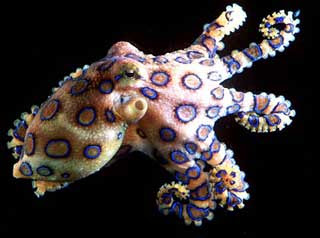 *The Blue Ring Octopus (Hapalochlaena lunulata & Hapalochlaena maculosa which is more common and smaller; 5 inches- 1 oz.) from the Great Barrier Reef of Australia is are among the most toxic animals on earth with its neurotoxin (Tetrodotoxin).
A bite can kill in under an hour (although they very rarely bite).
Their bites are very small and often painless.
The Tetrodotoxin poison found in the Blue Ring Octopus can result in the victim being fully aware of their surroundings but unable to breathe. Because of the paralysis that occurs the victim has no way of signaling for help or any way of indicating distress. Respiratory support until medical assistance arrives may mean the difference between death and recovery.
Being bitten while alone is often a death sentence.
See this reference: Blue Ring Octopus Bite).
To prevent a rare, but potentially lethal bite, wearing thick rubbers gloves should be adequate protection for the small beak on the Blue ring Octopus.
This said, as I already noted bites are rare. In fact these are very inquisitive animals and with simple cautions such as rubber gloves and a child proof aquarium, these can make an interesting pet that will thrive more easily in the common warm water marine aquarium than most brown octopii.
I would compare a Blue Ring Octopus personality to that of a friendly, neutered male cat I have; he is very playful and curious, but every once in while he gets carried away and over aggressive in his play. With this in mind I find Blue Ring Octopii this way, so protect yourself accordingly.
*These Octopus prefer the warmer waters that most home aquariums provide and generally the Blue Ring Octopus thrives much better than the Brown Octopus; however the poison problem in my opinion often over rides this “plus” (even though I have kept them).
Here are some important resources for success in keeping a Brown & Blue Ring Octopus:
*Octopus Vulgaris
*Octopus bimaculoides Care Sheet:
A few key points about Octopus Care:
- Most Brown Octopus that are commonly available are cold water preferring so an aquarium under 75 F is best (under 70 F is better).
However the Blue ring prefers warm tropical waters above 75F. - They need crab or other crustaceans in their diet. Keep in mind that they will consume cleaner shrimp, coral banded shrimp and similar aquarium tank mates.
- They are sensitive to nitrates above 20 ppm. So good filtration (such as the Berlin Method which may include live rock, deep sand bed, refugium, etc.).
A Protein skimmer is recommended, but I have successfully kept Octopi without a Protein skimmer.
Whether you use a Protein Skimmer or not, the key is low nitrates and a healthy environment, which includes Redox Potential, of which a UV Sterilizer can help maintain. - They have short life spans, often less than two years, and a warm aquarium will shorten this further (except for tropical Blue Ring Octopii).
Octopii further shorten their life by easily escaping from loose fitting tops. - They do NOT mix with eels (mortal enemies)
- Octopus are HIGHLY intelligent, some scientists think more so than a dog!
New studies have shown the the octopus genome to be almost as large as a human’s and to contain a greater number of protein-coding genes, some 33,000, compared with fewer than 25,000 in Homosapiens.
A new Study from 2015:
Octopus genome holds clues to uncanny intelligence
For further reading about Octopus intelligence, please read this article from the Washington Post:
Brilliant Houdinis of the Deep
References:
*Nitrate Dangers, Removal, Information
*What is the Aquarium Redox Potential Product Resources:
*Aquarium UV Sterilizers; Terminator Compact, TMC Premium, and Submersible
*Tropic Marine Protein Skimmer, Rio Nano
Please reference this very in depth article that is a MUST READ for anyone interested in moving from basic aquarium keeping to more advanced aquarium keeping:

 Back to Nitrates, besides the many methods for nitrate removal, the keeper of any Octopus should consider the use of a Reverse Osmosis Filter to provide nitrate free water for both “topping off” for evaporation or mixing new saltwater for water changes. Most tap or well water has at least some nitrates, so with nitrate sensitive Octopus, this is highly recommended piece of equipment to own.
Other methods for nitrate removal include the use of anaerobic filter media in filters such as SeaChem Matrix or chemical adsorbents such as SeaChem Purigen
Recommended Product Resources:
*TMC/AAP Aquarium RO Filter with TDS Meter
*Matrix from AAP; High Porosity Bio Media
*Purigen; Controls Ammonia, Nitrites and Nitrates
Other Recommended Reference & Product Sites

Saltwater Aquarium Information; Basic to Advanced

Aquarium Lighting Facts & Information
Premium Tropic Marin Pro Reef Sea Salt from Germany
There is simply NO BETTER Reef Sea Salt (marine fish too)
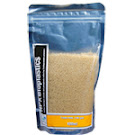
NPX BioPlastics; from Two Little Fishies
Nitrate & Phosphate Reducing Polymer Media

Hydor Smart Wave Controller
• Promotes a healthy reef aquarium or similar aquarium environment where wave action is desired by recreating natural currents found in nature
• Synchronous program for currents typical of barrier reefs and alternate for tides
*Aquarium Nitrogen Cycle
*Marine Fish Oodinium; Identification & Treatment

TMC V² Bio Fluidized Sand Bed Filters
Premium, second to NONE Aquarium Bio Filters, that with Oolitic Sand also maintain essential marine aquarium calcium levels, alkalinity, & electrolytes that are important to ALL marine life, including Octopii
San Francisco Bay Brand Seaweed Salad
"Seaweed Salad" is much more nutritious than spinach and lettuce.
This product is recommended for all freshwater Algae Eaters, African Cichlids, Silver Dollars, Sharks, all saltwater Damsels, Clownfish, and especially Marine Angels and Tangs
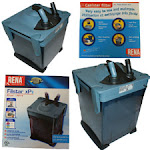
API/Rena Filstar High Performance Canister Filters & Parts
Premium Canister Aquarium Filters
ADVERTISEMENT
Labels: A aculeatus, Aquarium Octopus, blue ring, brown octopus, neurotoxin, Octopus as pets

Aquarium Nitrates; Lowering Nitrate Levels, How to Control
By Carl Strohmeyer-PAMR 40+ years experience
Updated 9/6/23
AQUARIUM OR POND NITRATES
Including:
Although much less toxic than ammonia and nitrite; Nitrate (NO3) as a nitrogen compound can also cause stress making a fish’s organs work harder to adjust to their environment, especially at levels higher than 100 ppm in many fish.
The increasing stress results in the loss of ability to fight diseases, the ability to heal itself, and the ability to reproduce.
It is essential for you, the aquarium (or pond) hobbyist, to maintain a proper environment for your aquatic companions. High nitrate levels are often a sign of poorly maintained aquariums and will cause problems in the long term.

How to Reduce Aquarium Nitrates Video
As a GENERALIZATION (which is the general consensus among experienced fish keeping sources, but also not totally agreed upon), I recommend maximum levels UNDER 40-50 ppm for FW (shooting for numbers under 10-30 for more optimum conditions for many inhabitants).
20 ppm or less for Saltwater fish, & under 5 ppm or less for reef aquariums. For planted freshwater aquariums, about 15 ppm is suggested (or even higher, as too low in planted aquariums can be a problem).
It is also noteworthy that very low nitrate levels in an established aquarium does not necessarily mean that the aquarium is not cycled.
As often a low bio load and/or aspects of natural nitrate reduction such as plants (or Pothos), refugiums, anaerobic de-nitrification filters, etc. along with nitrate lowering methods such as Algone, NPX Bioplastics, Protein Skimmers, etc. can IN FACT keep nitrates at near ZERO numbers. I've seen this 100s of times in my career with my client's aquariums.
If levels exceed these generalized numbers for a LONG period, NOT just a day or even a week, coupled with other water parameter factors such as poor Redox balance, over crowding, poor feeding, and more, this can and will affect long term fish health.
Further Reference: Aquarium Redox
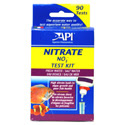 Long term high nitrates are potentially dangerous due to the effects on the water chemistry and on a healthy environment for your fish while nitrates are accumulating.
The higher the nitrate levels, the higher and more severe the consequences due to the stress on your fish and the favorable conditions for a serious algae outbreak.
The higher the the long term nitrate concentration the more stress for the fish. More severe stress is reached at levels exceeding 100 ppm.
Additional stress MAY be added due to an accumulation of life forms such as detritus worms feeding on decomposing waste, and the consequently higher biomass (organisms living in the aquarium) leads to an increasing demand of oxygen.
Reference: Aquarium Planaria? Actually Detritus Worms
I will also add that although nitrates are not dangerous in the short term unlike ammonia or nitrites; in established tanks I usually test this parameter more often as this is a good indicator of how well I am doing in my tank cleanings.
Example; if enough water is being changed and with the correct frequency, as well as to whether additional nitrate removing products or procedures need to be employed. Tests of KH & GH are also useful in indicating an established tanks health.
Reference: Aquarium Cleaning; Reasons, Frequency, more
One more point about nitrate; I have tested the water on under sized aquariums/bowls containing otherwise healthy goldfish.
The nitrates would often exceed 200 ppm! These goldfish (although they appeared healthy), rarely lived more than 3-5 years as compared to the 12 + years of the goldfish I have kept for clients in pond and larger aquariums.
While not fish, University studies in Cattle show nitrate levels in water over 221 ppm to be harmful or even fatal, so I sure would NOT want my fish kept at nitrate levels approaching this number.
Reference: Aquarium Cleaning
ADVERTISEMENT
Nitrates (NO3) are compounds composed of a nitrogen and three oxygen atoms and are often the final stage in the nitrogen cycle of fresh and saltwater aquariums if there are not nitrate removing plants, algae, or nitrate reducing anaerobic bacteria present.
Nitrates are the conjugate base (chemical substance that releases a proton in the backward chemical reaction) of nitric acid (HNO3), consisting of one central nitrogen atom surrounded by three identical oxygen atoms.
The presence or production of large amounts nitrates can result in the presence of Nitric acid according to the Brønsted-Lowry theory of acids and bases which will in turn affect an aquariums pH and KH (which can result in dangerous pH swings).
This will also have an affect on your aquariums Redox balance and likely result in higher oxidative stress on your aquarium's inhabitants.
For more about the nitrogen cycle, please reference:
*Aquarium Nitrogen Cycle
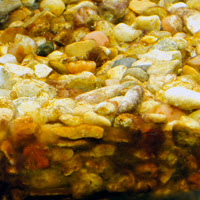 A high Bio-Load that often produces large amounts of organic mulm and decomposition in an aquarium (or pond) gravel or in filters is often a common cause of persistent nitrate problems.
Another clue to this is a pH that tends to drop quickly, often even with buffers added (assuming a higher new water pH); the breakdown of organic mulm or similar will lower pH while increasing nitrates.
Pockets of decomposing organics are often found in areas of deep fine sand, under rocks or other décor, or in large filters (especially canister filters).
High nitrate levels which many sources based in human studies place as low as 30- 45 ppm of nitrate as harmful. The EPA recommend levels under 10 ppm in drinking water, although often this can higher especially in well water.
As for fish, high nitrate levels can cause respiration problems in fish, lower or eliminate the ability to breed, resist disease, and lower activity of aquarium inhabitants.
However I have kept many general fish from goldfish to cichlids at stable numbers as high as 50 ppm without any noteworthy documented long term problems. I have however noted/documented some long term issues with constant numbers above 50, especially above 100 ppm and higher.
Because of this, as noted earlier, unless your nitrates are showing constant upward trends after every water change, which might indicate a higher bio load than your aquarium system is capable of, do not get too overly concerned with numbers under these.
Further Reading: Bio Load in Aquarium or Pond
Studies show that the toxicity of nitrate is due to nitrite being an intermediate. Nitrites oxidize the iron atoms in hemoglobin from ferrous iron (2+) to ferric iron (3+), rendering it unable to carry oxygen.
This process can lead to generalized lack of oxygen in organ tissue and a dangerous blood condition called methemoglobinemia.
What is noteworthy is that NITRITE also needs to be present, this is why current evidence does not support those in some fish keeping articles that state that anything above 20 ppm nitrate is toxic, as this these assumptions were likely based on nitrite also being present since current scientific evidence shows that nitrates by itself cannot cause these issues at levels at say 30 ppm.
The evidence also suggests that since nitrites were also present, likely such an aquarium was not fully cycled.
In human studies high nitrate levels have been shown to dangerously lower blood pressure by causing the muscles that control the size of blood vessels to relax, this can be dangerous to fish too causing circulatory problems which can again result in poor disease resistance.
High Nitrate levels in aquariums will also result in high algae growths and in marine aquariums is toxic at even low levels to Cephalopods such as Octopus and to corals, although many freshwater fish can tolerate high levels for quite some time based on my experience.
Another danger is in the bloodstream, nitrates can be converted biologically to nitrites, leading to "Brown Blood Disease".
For more on the potential dangers of Nitrates:
*Wikipedia; Nitrate
*Nitrates In Drinking Water
*Wikipedia; Nitrate
Temporary Relief of Nitrate Poisoning:
First, please note that high nitrates are NOT EVEN CLOSE to the danger of high ammonia or nitrites for fish, so if these are the problem, high ammonia and nitrites should be addressed first.
Some have stated that moving from high nitrates to low nitrates or vice versa can also cause nitrate shock similar to pH shock, however this is anecdotal and my tests as well as research have yet to verify such claims (for one nitrates are NOT algorithmic like pH is).
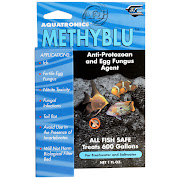 *Medicated Baths using Methylene Blue can increase oxygen in the blood and quickly remedy ammonia, nitrite, and especially nitrate poisoning (in this order of effectiveness too with ammonia poisoning the least effective and nitrates the most effective).
See Reference: Performing Medicated Fish Baths, Dips, similar
Product Resource: AAP/Kordon Methylene Blu
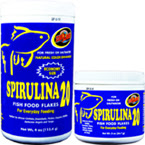 *Spirulina Algae or Chlorophyll Remedy; these build the immune system and increase blood oxygen levels in fish that have suffered from nitrite or nitrate poisoning or oxygen deprivation. Spirulina is the better choice of the two, being much better at increasing immune function.
The most simple and effective way to administer Spirulina is via a high Spirulina based food such as AAP Spirulina 20. Feeding Spirulina based foods although not a replacement for lowering your aquarium or ponds nitrate levels can be a reasonable albeit partial solution to chronic nitrate problems for many fish (not reef inhabitants such as Corals, Cephalopods, etc.).
If you have access to food grade Spirulina or Chlorophyll, these can also be used as a bath:
Pre-mix 1 ounce of spirulina or chlorophyll per gallon of aquarium water (I suggest first liquifying the powder with sterile water to a make a liquid ounce); allow fish to soak for 15-30 minutes; perform this once or twice a daily. Use a fresh bath for each bath using your display tank water.
This can be performed in 1/2 ounces with 1/2 gallon too for smaller fish.
Please read this article for more about Spirulina Algae:
Spirulina Algae
Where to Purchase, Product > *Spirulina 20 Fish Food Flake
*Most importantly, follow the steps below to lower your aquarium or pond nitrates in the first place and often any possible nitrate poisoning issues will go away too.
Here are a few basics for removal/ prevention of nitrates (I will add to this list over time too)
- Water changes; often a simple but effective way to at least temporarily lower nitrates.
Since nitrates often jump considerably after establishing a new aquarium nitrogen cycle or re-establishing the cycle after a problem, a water change is the simple answer, and often no other major nitrate reducing steps needs to be taken.
For high nitrate levels changing as much as 60% then filling the aquarium only 80% (this cuts the nitrates in half), followed by a 50% change again which will then have an over all reduction of 75%.
Also keep in mind to test your tap water as this can affect your nitrate levels as tap (& well) water often have some nitrates in the water already, I have tested as high as 25 ppm (although this is rare).
So as an example you change 50% water that has 100 ppm with tap water that is 20 ppm you will not reduce nitrates by half to 50 ppm.
These water changes assume that your tap or well water is low or lower in nitrates, so make sure to test your "new" water, especially if water changes do not have the impact I described in the previous paragraph.
Of course a constant need to change water for nitrates means you are addressing the symptom, not the underlying problem such as too high a bio load, poor quality food or too much food, and/or poor overall filtration.
With marine aquariums, water changes as a method of nitrate control can be expensive too, not to mention the need to use water changes for nitrate control in marine aquariums might be a good short term method to get a marine aquarium under control, but long term, this indicates an unhealthy marine aquarium (although using a more economical salt mix such as Coralife, Instant Ocean, etc. short term if water changes are being used primarily for temporary nitrate control might lower costs).
Better, after getting nitrates under control in your marine aquarium via water changes is to look into multiple methods of control including deep sand beds, refugiums, protein skimmers, etc. along with the obvious lowering of bio load then utilize a top notch marine salt mix such as Tropic Marin which will long term save money long term when one considers supplements that will not need to be added and longevity of reef inhabitants.
Product Resource: Tropic Marin Salt from AAP - Plants in Freshwater Aquariums (or ponds);
Plants will keep lower nitrate levels. A well maintained planted aquarium maintains lower nitrates by more than one attribute:
- Direct removal of ammonia by some plants such as Hornwort (Foxtail), as well as removal of nitrates from the water column
- The roots also remove nitrates and other nitrogenous wastes.
- Often a well maintained sand, laterite, Plant Grower Bed, etc. around the roots maintain a healthy anaerobic filter bed without reverting to sulfide reduction (Hydrogen Sulfide production), which can often happen in freshwater aquariums where sand is used if no oxygen is allowed to permeate.
- With a pond, nothing works better for nitrate removal from my experience than a Veggie Filter, which when constructed properly includes rooted bog plants along with a good de-nitrifying substrate, generally volcanic rock.
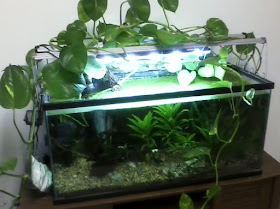 Vivarium, Pothos similar to the Pond Veggie/Bog Filter concept is letting potted plants or a separate chamber with plants above the aquarium be "watered" via aquarium water, this in turn removes nitrates as well as other nutrients from the water column.
Similar is the Refugium concept discussed a bit later in this article commonly used in marine aquariums.
What I find interesting is that many in the hobby act like this concept is some new discovery (generally more common among younger hobbyists), however in an aquarium industry/hobby where mentoring is mostly a thing of the past, they do not realize this concept has been around for decades.
Please Read/Reference:
*Aquarium Plant Care, Information
*Hydrogen Sulfide Production in Anaerobic De-Nitrification for Aquarium/Pond Nitrate Removal
*POND VEGGIE/BOG FILTERS
If plants are being used and you are looking for optimum growth "Aquarium/Pond Answers" recommends the "The Estimative Index of Dosing" (EI) method of plant care which will provide optimum growth with not too much effort if AAP- NilocG Plant Care products are used.
Recommended Resource that supports this frees article: - Vacuuming during most water changes of eventual nitrate producing mulm is essential for both freshwater and saltwater as long as this performed correctly so as to not disturb anaerobic bacteria in saltwater or plant roots in freshwater.
Please see this article: “Aquarium Cleaning” - Lower your bio load/ DOC, as noted in the previous point about vacuuming high amounts of organic mulm/sludge that in turn leads to high DOC (dissolved organic compounds) in the water column is a major contributor of high nitrates. A strong indicator of this problem is a low pH and a KH under 50 ppm along with high nitrates (often over 80 ppm).
Check your filters (especially large capacity filers such as canister or large sump filters) for buildup of mulm/sludge. Under gravel filters can be a major contributors due to trapped decomposing waste under the plates and gravel, especially not "properly cared for" Ornaments, decorative rocks and gravel can also trap copious amounts of decomposing organic waste.
Please also read this article:
Aquarium or Pond Bio Load - Reduce Fish, this includes "Cleaner Fish" or similar; this is similar to the above recommendation as less fish or other inhabitants (crabs, shrimp, snails, etc.) means less organic waste.
As well I should address the often implied Urban Myth about "Cleaner Crews"; adding fish such as Plecostomus to clean your aquarium only cleans cosmetically. The facts are this fish or similar dumps far more organic waste than they take in and in fact while algae might be unsightly, removing it via a plecostomus not only removes a life form that removes nitrates, but adds a life form that adds much more to the nitrates. Snails are even worse in this respect.
I am not suggesting that fish such as Plecostomus should not be kept, but if you are keeping these (along with snails, both freshwater or marine) thinking these are keeping your tank bio load lower and thus nitrates lower, you have them for the wrong reason.
As an analogy; if you had a small child that is constantly spilling and making messes, would you "baby sit" this small child with your dog that is never let out? I think you would find the "Messes" eventually left from the dog to be just as bad and likely much worse. - Reduce feeding and use foods that are more easily digested (made with amino acids that will be used by the fish/aquatic organism and not be expelled) such as Spirulina Algae based foods.
Your choice of food and over feeding can be a MAJOR contributor to DOC and in turn high nitrates, unstable pH, and low KH.
What many do not realize is that excess proteins not only lead to premature kidney (Renal) failure in fish, this also can be a source of high nitrate since nitrogenous wastes start as proteins. YET, many fish foods, that many unfamiliar with long term fish nutrition research think are top notch do not properly limit proteins and also still have to supplement otherwise natural ingredients resulting in a less than optimum fish food. Examples of popular and otherwise good fish foods that do NOT properly limit and utilize proteins include Repashy & NLS.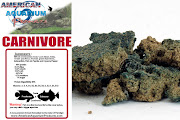 Better is an all natural fish food that is designed with the history of fish food research behind it that has optimum protein levels and ingredients that work best (not just are popular). First Paradigm met this, but later the creator of the formula improved the formula and now even better limits protein and it is now offered as AAP Custom Ultra Premium Fish Foods.
Product Resource: "AAP Premium All Natural" Custom Fish Food Crumbles - In marine aquariums the use of "Live Rock", Mud Filters/Refugiums, and/or Deep Sand Filters can help reduce nitrates.
Mud or Deep Sand Filters and Refugiums remove nitrates while Protein Skimmers remove nitrogenous wastes (proteins) before they enter the nitrogen cycle. .
I prefer the more natural use of live rock (as well as live rock crumbles in filters) and mud filters/Refugiums as well as Mangrove Plants and Caulerpa algae in my marine aquariums. Good deep sand (#00) beds of over 3” (with a ½” layer of #3 crushed coral on top for ease of cleaning) also are helpful as these allow anaerobic bacteria to form and remove nitrates.
Further Reference:
Marine Aquarium Care, & Basics Large Live Rocks which have now been popular in marine aquariums since the 1980s as decorations that also act as bio filters, are both a positive AND a negative, depending upon use.
Let me explain:
- An aged (seasoned) Live Rock specimen will have aerobic bacteria in the outer calciferous surfaces that remove ammonia and nitrites and anaerobic bacteria on the inner calciferous surfaces that remove nitrates.
- However often owners of new, unestablished saltwater aquariums will purchase Live Rock from a retailer that is NOT seasoned.
The results is this live rock is not so "live" and in fact has a lot of decaying material within the calciferous surfaces of the rock that instead raise ammonia, nitrites, and nitrates.
If your marine tank is well established and you add this unseasoned live rock (in increments), likely there will be no problem.
But if your tank is under 12 weeks of ages, I would urge the reader to inquire as to how long the retailer has had the so-called "live" rock; if under 8 weeks, do NOT purchase.

Another method for marine aquarium nitrate control is a simple deep sand bucket utilizing #00 oolitic sand.
The picture to the left demonstrates a simple DIY method, please click on the picture to go to the website describing this in more detail and for a larger image. - Use of Reverse Osmosis (RO) or RO/DI Water
PLEASE READ this article for a much better understanding of what to look for and how to use a RO or RO/DI system/filter: Use of RO or RO/DI water in part or in full, ASSUMING correct re-mineralization can reduce or totally remove nitrates that are added via a water change from tap or well water.
Be aware that a premium well constructed RO system such as the AAP/TMC is all that is generally needed as these will utilize better micron pre-filtration, catalytic carbon, optimum construction that maintains water pressure and does not allow flow by, and most importantly a medical grade TFC RO membrane.
Do not be misled by popular bulk online sellers that are selling large multistage RO in combination DI systems as the before mentioned RO only system will remove 97% of all nitrates without the cost of DI chamber resins on a regular basis.
This slick marketing has misled many in the hobby even though the need for a DI chamber for nitrate removal when using a well made RO ONLY system was discredited YEARS AGO. The result of is the need to re-purchase DI resins thus fulfilling the quote misattributed to PT Barnum: "There’s A Sucker Born Every Minute"
So unless you are making water that needs to be 100% pure of ions (such as topping off deep cycle RV/Marine batteries) or if you have purchased an inferior RO system, there is no need of a DI system for nitrate removal!!!
Use of RO, DI, Softwater in Aquariums
Product Resource: AAP V²Pure Premium Reverse Osmosis Water Filter System - The use of a Protein Skimmer.
 In marine aquariums is an effective way (depending on the skimmer) of removing ‘protein’ based organics BEFORE they can enter the nitrogen cycle and thus become nitrates.
These devices generally do not work in freshwater as they work via foam refraction which is a process that generally does not work well in freshwater.
As well, there is also evidence that foam refraction will be limited by the use of carbon since carbon removes MBAS Foaming Agents.
See this article for more: Activated Carbon, Uses, Adsorption, Absorption.
For Reef tanks, these devices are almost a must, and generally the low end skimmers are not adequate, high end skimmers such as Warner Marine mesh wheel skimmer or the Tropic Marine V2 Skimmer are among two of many good choices.
I personally feel some older style protein skimmers can be over rated due to the often erratic upkeep they require (although the newer models are often worth the expense in both effectiveness and lack of hassles).
Also be careful of many downdraft/spray injection Skimmers that do not have the vertical reaction ability (example the "Remora")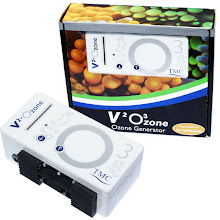 Adding an Ozonizer will often significantly improve efficiency by converting fish waste into more easily removable by-products. If nitrates are a problem even with a protein skimmer (especially with with smaller skimmers), this IS A MUST HAVE DEVICE!
These work most simply with a Venturi style skimmer, but adding an air pump to a needle wheel skimmer will also allow use of an Ozonizer/Ozone Generator.
Please see this article for more information about Protein Skimmers:
Marine Aquarium Protein Skimmers; Review - Use of AAP Bioplastics Nitrate & Phosphate Reducing Polymer Media
 This is a if not THE top notch method for BOTH effective nitrate reduction as well as phosphate reduction (both of which when combined can be very detrimental to marine aquarium hard corals).
This product was originally intended primarily for marine aquarium use and it also requires a protein skimmer to be in use for best results.
However use in a freshwater aquarium has been shown to also be VERY effective, if not the most effective method for problem nitrate levels and high bio loads. Some of the bacterial by-products produced by AAP Bio-Plastics may be assimilated into the plant root structures in planted aquariums, as well the use of SeaChem Purigen may help further remove by products that may yellow the water.Normally the use of Purigen in planted aquariums is not suggested for long term use, but with AAP Bioplastics, temporary use to clear yellow water would be an exception.
With a fish only freshwater aquarium, use Purigen long term as well as use of Wonder Shells or Wonder shell fragments can offset any Redox Balance issues.NOTE: Make sure your FSB filter or similar reactor is properly tumbling the Bioplastics. This can be a very effective and simple to use product, but not used properly in the proper device, the conditions can become anoxic and allow for hydrogen sulfide production.
Running with a pump or filter that powers the FSB filter or reactor to the minimum line is important, but as well I suggest the use with silica or oolitic sand too as would be the case in a good FSB filter (such as the TMC models) since this sand breaks up the Bioplastics. This is why the best device to use for this product is a FSB filter over a reactor.
Below is picture that displays the results when used in a planted freshwater for just one week:
While this product can be placed in any high flow filter, it is best utilized in a reactor or best in a Fluidized Filter
Here is just one reference from a user of this VERY effective nitrate reducing product:
www.aquariumforum.com/f20/bioplastics-38846.html
Where to purchase, product references:
*AAP Bioplastics Nitrate & Phosphate Reducing Polymer Media, By Two Little Fishies
*AAP Fluidized Aquarium Filters
*SeaChem Purigen; Removes Water Yellowing Compounds - "Vodka Method"
As with the above method, this is only for marine use and requires a Protein Skimmer. This method is also less exact and simple along more issues with Gelbstoff which is a yellowing of the water and slime as a side effect, so the use of an Ozone Generator is also strongly suggested.
That said, it is still an effective method for both nitrates and phosphates in marine reef aquariums.
See this excellent article for further information about this method:
Vodka Dosing  Sulfur Denitrators: These are growing in popularity, in particular in Europe. My experience with these is limited, nor has too much positive feedback from those I trust in the professional aquarium maintenance business reached me with these, but that does not mean these cannot work either.
Sulfur De-nitrators rely on anaerobic bacteria, colonizing a suitable medium (such as the CaribSea LSM Live Sulfur Media) and the flow of water being slow enough, to become depleted of oxygen to create an environment these bacteria can thrive in. These bacteria will then multiply and consume the nitrate in the low oxygen water.
Please note that many still consider this as an experimental process.
A typical Sulfur De-nitrator system employs two separate stages or canisters with a means to control water flow rate through the reactor. The first canister contains the sulfur reducing medium. The second canister is filled with aragonite to neutralize acidified water and supply calcium ions as a by-product of neutralization. LSM™ can be placed in any oxygen restricted environment.
Nitrate and pH test kits are required to fine tune any nitrate reducing equipment. Sulfur based nitrate reducing bacteria require an oxygen depleted environment.
Be aware that this process may strongly acidify surrounding water.
Please further note, that nitrate reduction with sulfur may produce an odor!- High Porosity Bio Media: I have had success in preventing this problem with the use of live rock crumbles in place of much of the standard bio filter media in saltwater aquariums so as to allow for de-nitrification deep inside these crumbles. Volcanic rock is a substitute that works well too for this and can be used in FW as well.
As to volcanic rock and live rock crumbles, the higher the flow rate, the larger the volcanic rock/crumble size so as to allow for correct anaerobic de-nitrification (generally about a ¾ to 1 inch diameter rock size for flow rates less than 350 gph).
Product Resource: Volcanic Rock Aquarium and Pond Filter Media
Eheim (Substrat Pro) and JBL (MicroMec) are similar products (in both cases, sintered glass) and are claiming larger specific surface areas than for Matrix, however there is a second consideration, and that is the size of the pores in the medium.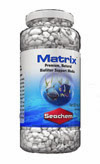 Another product I have used with good results, probably the best of these bio nitrate removing mediums, is SeaChem’s Matrix de-nitrifying bio media.
Generally, with very large pore diameters, we have smaller specific surface area, so that is not good. This generally rules out pores above 10 microns in diameter.
But we can go too far in the other direction as many products such as Eheim (Substrat Pro) and JBL (MicroMec) have done.
If we have a very large number of very, very small pores, then our specific surface area number will be phenomenal, but the medium will not work very well as a biological medium. This is due to physical limitations, specifically too small a volume to support bacterial growth, and the decreasing efficiency of fluid transport (necessary to carry nutrients to the bacteria and waste away from the bacteria) with very small pore sizes.
Regardless of which of the above de-nitrifying bio media you choose, these do NOT remove nitrates over night unlike chemical filter media such as Purigen, rather over time nitrate removing anaerobic bacteria form in these medias that slowly convert nitrates to free nitrogen (thus expelling the nitrogen to the atmosphere).
Generally you need to allow 4 weeks plus to see measurable results, but once the results start these de-nitrifying bio media rarely need to be changed.
With canister filter use, these high Porosity Bio Media are best placed near the beginning of where water enters your filter (first or at least 2nd stage), unlike Purigen which is best used near the final stage.
These bio media are safe and often best combined with other methods such as Purigen, AAP Bioplastics, etc.
Where to purchase: SeaChem Matrix; High Porosity Bio Media
*Please note that many otherwise excellent bio media such as bio balls, bio stars, ceramic bio rings, etc., only perform nitrification, that is the conversion of ammonia and nitrites, but this only adds to nitrates as these products do NOT have the pore size and too much oxygen is available to the pores that are found on these products which oxygen in any quantity inhibits de-nitrification (the removal of nitrates). - Macro-Porous Synthetic polymers, Ion Exchange Resins, Absorbents, etc.; there are several nitrate “sponge” or resins available, although these can be costly. Zeolite can be used in freshwater aquariums to remove ammonia before it ever goes thru the nitrogen cycle, eventually becoming nitrates.
API Bio-Chem Zorb Chemical Filter Media is an good example of a blended carbon and resins that can aid in nitrate control.
This is an excellent product for those who need more than just carbon, but do not have a serious nitrate problem since this product and all similar are best just for control of nitrates, not serious issues (use with other control products such as Algone can increase effectiveness when nitrates are a more moderate or serious issue)
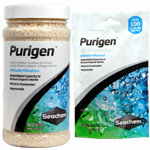 Another good product is SeaChem’s Purigen which more effective for more serious nitrate problems than BioChem Zorb (although it does not contain carbon).
Purigen be used in both freshwater and saltwater and is specifically designed to be an organic scavenging resin.
Purigen generally ignores simple elemental compounds, having an extreme affinity for nitrogenous organics which include the cause of yellow water for which this product excels in "water polishing" as well as some nitrate removal.
However, Purigen along with other "Synthetic polymers, Ion Exchange Resins, Absorbents" cannot remove the volume of nitrates many/most aquariums require, so this product is best used with others especially AAP BioPlastics (Bioplastics must be used in a reaction chamber such as Fluidized Sand Bed Filter). Please read the earlier section about Bioplastics.
Purigen can also be regenerated with bleach, however do not use in combination with Stress Coat.
For more about this please read this article: Aquarium Answers: Aquarium Water Conditioners .
Purigen can also raise your Redox, so maintain a Redox balance with the use of additional minerals such as Wonder Shells.
Reference: Aquarium Redox, Balance, Potential, Reduction, Oxidation
Where to purchase, product resources:
*SeaChem Purigen Premium Synthetic Adsorbent
*Wonder Shells-Medium; Improves Mineral Cations, Redox Balance - Organic Nitrate Reducing Products; such as AAP Algone for freshwater or saltwater can aid in nitrate prevention/removal.
 In fact in our aquarium maintenance companies controlled tests we found differences in aquariums (both freshwater and saltwater) in Nitrate levels between tanks with and without Algone Nitrate Controller when used as a nitrate control maintenance product.
Algone works by utilizing Nitrate fixating microorganisms which incorporate excess nitrogen into the cellular mass, while bio active enzymes assimilate nitrogen from the water column.The concept (not the process) is similar to the use of a Marine Protein Skimmer, in that many nitrogenous wastes are removed without going through the nitrogen cycle. For this reason, I do not recommend using Algone in new tanks, only established fully cycled aquariums (as I would a Protein Skimmer).
My personal recommendation for Algone use is to use it as a nitrate control maintenance product as alluded to earlier. This means that for aquariums with average bio loads that simply keeping nitrate numbers in check, this product is excellent for.
However in high bio load aquariums, this product should be more used as part of a nitrate lowering problem or as a nitrate controller once lowered by other means (including water changes) as often Algone is not quite enough in these scenarios (AAP Bio-Plastics is the better choice or should be used along side Algone)For those who have tried this product with only poor results, often it has been used in correctly.
Where to purchase: AAP Algone for Nitrate Control, Water Clarifier in Aquarium
Our large aquarium maintenance company has used AAP Algone extensively and has found best results by using it more as a product to control nitrate once lowered and just as importantly placing the AAP Algone in a low flow area such as at the base of a lift tube or sponge filter or in a sectioned off section of a high flow filter so as to keep the flow slow/low around the Algone. - Use of an Algae Scrubber:
This can be a traditional algae scrubber that is often part of a marine aquarium Refugium as demonstrated in a picture found in this article:
Marine Aquarium Set Up Suggestions
Picture Link: Algae Scrubber/ Refugium Picture
See the picture to the left of a HOG1.3 that attaches magnetically to be sold by American Aquarium Products
As a new alternative that works with both freshwater and saltwater aquariums are the Hang on Glass Up flow with LED grow light algae scrubbers.
These grow algae inside the unit that lower nitrate and phosphate by removing these nutrients from the water column. In turn this can control many nuisance algae and create a better environment for plant growth and coral growth.
Here is a YouTube Video for a DIY algae scrubber
HOW TO: DIY algae scrubber - No more nitrates
Please note, I would recommend the use of a T2 light over a desk lamp for higher efficiency growth
- Use a re-circulating micron cleaning filter so as to remove excess mulm/detritus from your aquarium without over cleaning (meaning excessive water changes over 50%) or in between regular water changes.
The key is this device (& similar devices such as the Vortex Diatom filter) efficiently removes fine organic particulates BEFORE they would otherwise go through the nitrogen cycle. The Eheim Detritus Extractor Battery Gravel Vacuum is a useful device for this purpose as it removes many of the organics before they are converted via the nitrogen cycle to nitrates (similar in theory to a protein skimmer, albeit a very different process).
The use of this or similar recirculating filters/vacuums prevents the formation of nitrifying bacteria that would break down organics resulting in higher nitrates. The theory is similar as to how a protein skimmer works in marine aquariums, however this machine and similar can be used in salt OR freshwater!
Where to purchase: *Eheim Sludge, Detritus, Mulm Extractor Battery Gravel Vacuum - Rinse filters often with de-chlorinated water to prevent organics/mulm build up. This is especially important in “nitrate factory” filters such as Wet-Dry and canister filters but can apply to ANY aerobic bio-filter.
Even with high efficiency sponge filters this is important, especially in high bio load environments.
I have heard some aquarium keepers state that they have gone months without rinsing with no discernible increase in nitrates. I do not doubt this as per my controlled tests and observations, HOWEVER in more heavily loaded aquarium environments my tests/observations HAVE SHOWN lower nitrates by increasing frequency of rinsing ANY aerobic filter medium.
How this works is that by more frequent rinsings, you are removing organics trapped in the filter media before it even is broken down via the nitrogen cycle.
This is probably most noteworthy with canister filters and Wet/Dry filters. These filters have the reputation within the saltwater side of the aquarium keeping hobby in particular as “nitrate factories” due to the fact that these filters both trap a lot of organic debris and also are very efficient aerobic nitrifying filters yet do little for de-nitrification.
Rinsing bio media is helpful for these filters as well as increasing frequency of this procedure; this also applies to freshwater as well.
Adding a good pre-filter such as the AAP Filter Max is a good way to lower the Canister Filter "Nitrate Factory" effect. While a good sponge pre-filter also produces nitrates, these are extremely easy to rinse, even daily if need be, to lower the nitrates being otherwise produced by a canister filter.
Beware that using just a "replacement" sponge from an AAP Filter Max on the strainer does not work the same as the complete pre-filter and in doing this to save a few dollars results in only about 25% of the effectiveness of the complete Filter Max.
Product Resource: AAP Filter Max #3
In heavily planted freshwater aquariums, frequent rinsing is often not necessary as the plants will often consume most extra nitrates and over cleaning can actually reduce nitrates too low for heavily planted tanks with CO2. However in marine aquariums this IS essential.
Resource for Sponge Filters:
THE PREMIUM AAP Aquarium Sponge Filter with as much as 5 TIMES the bio and mechanical capacity of commonly sold Chinese knock offs!!
Definitely worth the extra $1-3 - The use of fine micron poly filter pads inside easy to access filters such as aquarium power filters (HOB) or wet/dry filters.
Where to purchase Mineral Cation replenisher:
I would place these in easy to reach spots and NOT use them to replace the regular filters or sponges, rather place a piece in front of the existing filter.
This pad needs to be rinsed every 1-3 days. How this works is this filter material will trap fine organic particles BEFORE going through the nitrogen cycle which would otherwise result in nitrates.
The key is regular rinsing in CHLORINATED water so as to prevent the formation of nitrifying bacteria that would break down organics resulting in higher nitrates. This is similar to how the micron cartridges work (except on a much smaller and less efficient scale) in cleaning filters.
I recommend generic versions rather than the more pricey name brands which can be cut to fit
Product Resource: Generic Fine Micron Poly Filter Pads
The use of or micron socks, often employed in marine reef systems can achieve similar results and should be rinsed often as well for best results.
Another popular product is the "The Poly Pad". The claim is these also remove heavy metals such as copper as well as phosphates, ammonia, and nitrates as well as certain organic via proprietary matrix of synthetic poly fibers.
HOWEVER despite some claims by popular aquarium YouTube channels that have not done their homework, these are not as effective as the claims based on tests I have performed. MORE IMPORTANTLY; these can severely affect Redox balance resulting in pH crashes and an unhealthy oxidizing environment that used long term can be harmful to Fish immunity.
I am not saying these cannot be safely used, but care should be exercised along with the use of Mineral Cation replenishers (& water changes) to neutralize the negative affects of this product.
Further Reading:
Aquarium & Pond Filter Media, Material; Mechanical, Bio, Chemical
*AAP Wonder Shell Large, Mineral Cation Replenisher - Check your clean water source as I have tested Tap Water in excess of 20 ppm and some wells may also be high. Please note that the USA EPA has set maximum of 10 mg/L (or 10 parts per million) for the safety of drinking water.
The use of “clean water” that already has moderate amounts of nitrates lessens the effectiveness of water changes. For SW the solution is simple, I recommend the use of Reverse Osmosis, DI (Distilled) or similar water for mixing all new saltwater and for topping off for evaporation.
For FW, this is a bit more difficult as RO/DI water is missing VERY essential elements for fish osmoregulation so its use is not generally acceptable (the use of marine salt mix replenishes ALL necessary elements back to the water). At best the FW aquarist can uses partial RO, DI or similar and then reconstitute the water with minerals with products such as Wonder Shells, Alkaline Buffers, and Cichlid Salts.
Recommended Further Reading:
Tap Water, Use in Fresh and Saltwater Aquariums
Where to purchase, product resources:
*TMC RO Aquarium Water Filter Systems 50 gpd
*SeaChem Marine, Alkaline for Fresh and Saltwater
*SeaChem Cichlid Salt, Minerals for most Freshwater Fish - Carbon does not remove nitrates; although the use of carbon has its supporters and detractors, one aspect of activated carbon that is clear is that it cannot remove nitrates. Activated carbon filtration does not remove microbes, sodium, nitrates, fluoride, and hardness. HOWEVER Carbon can remove DOC, which eventually can lead to high nitrates, so the use of carbon in aquariums with nitrate problems is certainly a worthwhile endeavor.
Please reference the more in depth Aquarium Answers article about the use of carbon:
Aquarium Answers; Activated Carbon


Further Resources:
Please reference this other Aquarium answers article for more other filter media types as well (including products for phosphate removal), a MUST READ:
Aquarium Filter Media; Types, Capacities and more
Please reference this article for more about the production of Hydrogen Sulfides during the process of De-Nitrification:
Hydrogen Sulfide production in anaerobic De-Nitrification for Aquarium/Pond Nitrate Removal
For a map of Nitrates in World Rivers, please click below
Nitrate Levels in Major World Rivers
For more referenced aquarium information pertaining to:
*Freshwater Aquarium Care, Basics to Advanced
*Saltwater Aquarium Care, Basics to Advanced
Other Recommended Reference & Product Sites/Videos
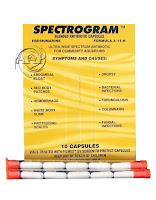
One of the most effective medications for the treatment of Columnaris in an aquarium when used as part of the four step program of Columnaris treatment.
A more synergistic combination than purchasing Kanamycin & Nitrofurazone separately.
OR
AAP Yellow Powder; The Premium Nitrofuarazone combination; for Columnaris and Aeromonas next to Spectrogram (as Spectrogram is often not available), the best treatment for Columnaris, despite bad search results recommending Terramycin (oxytetracycline) and other inferior treatments for Columnaris

YouTube; How to: 4 Steps Columnaris Treatment Fish Bacterial Infection
This video goes over the basics of the full four step plan of properly treating Columnaris in aquarium fish and is a compliment to a FULL reading of this article.
The article below is a MUST READ for anyone interested in moving from basic aquarium keeping to more advanced aquarium keeping, including better Redox Balance:

Ultraviolet Sterilization, Advanced Aquarium Keeping

POND CARE INFORMATION; Complete Steps
Premium Tropic Marin Pro Reef Sea Salt from Germany
There is simply NO BETTER Reef Sea Salt (marine fish too)
 UV Replacement Lamps/Bulbs; Aquarium or Pond
For TRUE High Output, Hot Cathode, Low Pressure UVC Germicidal Bulbs, for aquarium or pond
*Sponge Filtration; Complete Information about the use of Sponge Filters in Aquarium or Pond
 FISH AS PETS
Fish as Pets with articles & commentary of Interest to the Aquarium Hobby
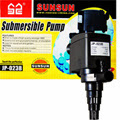 SunSun JP-023 Aquarium Power Head Water Pumps
Superior performance and value when compared to many more well known brands such as Hagen or Marineland
ADVERTISEMENT
Labels: aquarium, aquarium nitrates, aquarium nitrogen cycle, Aquarium Pond Answers Directory, Aquarium Test Kit ammonia multi strips titration GH KH pH, cleaner crew, Fish, nitrates, nitrites, pond, pond nitrates


