
Our Facebook Page to Follow: Aquarium/Pond Answers Facebook
This is a unique resource for answers, help, & advice to aquarium and pond questions not found elsewhere; With regular posts & article updates.
In our research; we use aquaculture, horticulture, medical, & university research to compile many of our articles.Our Recommended Lighting for highest efficiency professional planted/reef aquariums: "AquaRay Lighting"
Octopus as Aquarium Pets
Keeping an Octopus in a Home Saltwater Aquarium.
By Carl Strohmeyer-PAMR 40+ years experience
Updated 5/13/20
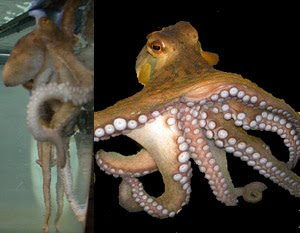
I have kept o. rubescens (pictured), brown, and even poisonous blue ring octopi, however I generally do not recommend Blue Ring Octopii (which I will go into further later in this article).
In fact a brown A. aculeatus was one of my first saltwater “creatures” back in the mid 1970s. They make great pets and are highly intelligent.
My pet octopus would recognize me and come to the top and stick its tentacles out to take food directly from me.
Here are a few points to keep in mind though:
*An Octopus will squirt ink when frightened, but that is rare.
Try and keep a peaceful environment and this will not become a problem.
ADVERTISEMENT
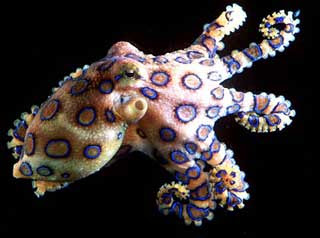 *The Blue Ring Octopus (Hapalochlaena lunulata & Hapalochlaena maculosa which is more common and smaller; 5 inches- 1 oz.) from the Great Barrier Reef of Australia is are among the most toxic animals on earth with its neurotoxin (Tetrodotoxin).
A bite can kill in under an hour (although they very rarely bite).
Their bites are very small and often painless.
The Tetrodotoxin poison found in the Blue Ring Octopus can result in the victim being fully aware of their surroundings but unable to breathe. Because of the paralysis that occurs the victim has no way of signaling for help or any way of indicating distress. Respiratory support until medical assistance arrives may mean the difference between death and recovery.
Being bitten while alone is often a death sentence.
See this reference: Blue Ring Octopus Bite).
To prevent a rare, but potentially lethal bite, wearing thick rubbers gloves should be adequate protection for the small beak on the Blue ring Octopus.
This said, as I already noted bites are rare. In fact these are very inquisitive animals and with simple cautions such as rubber gloves and a child proof aquarium, these can make an interesting pet that will thrive more easily in the common warm water marine aquarium than most brown octopii.
I would compare a Blue Ring Octopus personality to that of a friendly, neutered male cat I have; he is very playful and curious, but every once in while he gets carried away and over aggressive in his play. With this in mind I find Blue Ring Octopii this way, so protect yourself accordingly.
*These Octopus prefer the warmer waters that most home aquariums provide and generally the Blue Ring Octopus thrives much better than the Brown Octopus; however the poison problem in my opinion often over rides this “plus” (even though I have kept them).
Here are some important resources for success in keeping a Brown & Blue Ring Octopus:
*Octopus Vulgaris
*Octopus bimaculoides Care Sheet:
A few key points about Octopus Care:
- Most Brown Octopus that are commonly available are cold water preferring so an aquarium under 75 F is best (under 70 F is better).
However the Blue ring prefers warm tropical waters above 75F. - They need crab or other crustaceans in their diet. Keep in mind that they will consume cleaner shrimp, coral banded shrimp and similar aquarium tank mates.
- They are sensitive to nitrates above 20 ppm. So good filtration (such as the Berlin Method which may include live rock, deep sand bed, refugium, etc.).
A Protein skimmer is recommended, but I have successfully kept Octopi without a Protein skimmer.
Whether you use a Protein Skimmer or not, the key is low nitrates and a healthy environment, which includes Redox Potential, of which a UV Sterilizer can help maintain. - They have short life spans, often less than two years, and a warm aquarium will shorten this further (except for tropical Blue Ring Octopii).
Octopii further shorten their life by easily escaping from loose fitting tops. - They do NOT mix with eels (mortal enemies)
- Octopus are HIGHLY intelligent, some scientists think more so than a dog!
New studies have shown the the octopus genome to be almost as large as a human’s and to contain a greater number of protein-coding genes, some 33,000, compared with fewer than 25,000 in Homosapiens.
A new Study from 2015:
Octopus genome holds clues to uncanny intelligence
For further reading about Octopus intelligence, please read this article from the Washington Post:
Brilliant Houdinis of the Deep
References:
*Nitrate Dangers, Removal, Information
*What is the Aquarium Redox Potential Product Resources:
*Aquarium UV Sterilizers; Terminator Compact, TMC Premium, and Submersible
*Tropic Marine Protein Skimmer, Rio Nano
Please reference this very in depth article that is a MUST READ for anyone interested in moving from basic aquarium keeping to more advanced aquarium keeping:

 Back to Nitrates, besides the many methods for nitrate removal, the keeper of any Octopus should consider the use of a Reverse Osmosis Filter to provide nitrate free water for both “topping off” for evaporation or mixing new saltwater for water changes. Most tap or well water has at least some nitrates, so with nitrate sensitive Octopus, this is highly recommended piece of equipment to own.
Other methods for nitrate removal include the use of anaerobic filter media in filters such as SeaChem Matrix or chemical adsorbents such as SeaChem Purigen
Recommended Product Resources:
*TMC/AAP Aquarium RO Filter with TDS Meter
*Matrix from AAP; High Porosity Bio Media
*Purigen; Controls Ammonia, Nitrites and Nitrates
Other Recommended Reference & Product Sites

Saltwater Aquarium Information; Basic to Advanced

Aquarium Lighting Facts & Information
Premium Tropic Marin Pro Reef Sea Salt from Germany
There is simply NO BETTER Reef Sea Salt (marine fish too)
NPX BioPlastics; from Two Little Fishies
Nitrate & Phosphate Reducing Polymer Media

Hydor Smart Wave Controller
• Promotes a healthy reef aquarium or similar aquarium environment where wave action is desired by recreating natural currents found in nature
• Synchronous program for currents typical of barrier reefs and alternate for tides
*Aquarium Nitrogen Cycle
*Marine Fish Oodinium; Identification & Treatment

TMC V² Bio Fluidized Sand Bed Filters
Premium, second to NONE Aquarium Bio Filters, that with Oolitic Sand also maintain essential marine aquarium calcium levels, alkalinity, & electrolytes that are important to ALL marine life, including Octopii
San Francisco Bay Brand Seaweed Salad
"Seaweed Salad" is much more nutritious than spinach and lettuce.
This product is recommended for all freshwater Algae Eaters, African Cichlids, Silver Dollars, Sharks, all saltwater Damsels, Clownfish, and especially Marine Angels and Tangs
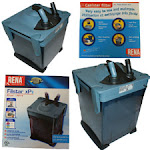
API/Rena Filstar High Performance Canister Filters & Parts
Premium Canister Aquarium Filters
ADVERTISEMENT
Labels: A aculeatus, Aquarium Octopus, blue ring, brown octopus, neurotoxin, Octopus as pets

<< Home


