
Our Facebook Page to Follow: Aquarium/Pond Answers Facebook
This is a unique resource for answers, help, & advice to aquarium and pond questions not found elsewhere; With regular posts & article updates.
In our research; we use aquaculture, horticulture, medical, & university research to compile many of our articles.Our Recommended Lighting for highest efficiency professional planted/reef aquariums: "AquaRay Lighting"
Mollies in Aquariums; Molly Disease, Shimmies
KEEPING MOLLY FISH IN AQUARIUMS & MOLLY DISEASE (Shimmies/ Livebearer Disease)
By Carl Strohmeyer-PAMR 40+ years experience
Updated 5/12/21
Sections include:
 The Molly is from the same Genus as the guppy and Endlers livebearer; Poecilia and the family: Poeciliidae, the same as other livebearers.
One of the earliest described (& kept) Mollies was the sailfin molly, in 1821 as Mollienesia latipinna by the naturalist Charles Alexandre Lesueur.
The other is the common "short finned" Molly; Poecilia sphenops, which is one of the ancestors of the popular black mollies.
Mollies wild habitat consists of fresh, brackish, and coastal waters from the Carolinas to Texas, peninsular Florida, and the Yucatan Peninsula of Mexico.
Mollies prefer marshes, lowland streams, swamps, and estuaries.
Mollies do not have any one exact habitat in common, including salinity (despite some misconceptions here).
What they do have in common is water high in alkalinity, Calcium and General Hardness.
References:
*Aquarium Chemistry; Alkalinity, KH
*Aquarium Chemistry; GH, Minerals
 Mollies only thrive in water that is very high in GH and Calcium (a GH over 250 ppm GH), pH over 7.8, KH over 100+ (ppm), and some salt, about 1 teaspoon per 1 gallon or 3-4 liters (or 1.002 to as high as 1.006 specific gravity).
Mollies can easily survive in a specific gravity (salinity) of 1.012 which will not support parasites such as “ich” that may infest them at lower salinities.
 What many hobbyists do not understand about mollies and their natural habitat is that although salt is very useful for disease prevention, it is the other ingredients in Marine Salt that really make a difference in Molly health, and that is Calcium, Magnesium and the many other major/trace elements along with electrolytes available there in.
What ALL Molly habitats have in common is hardness/high mineral water, NOT salt (although added true sea salt can be helpful during times of stress for all Mollies)!
Understanding this will go a long ways in keeping healthy, happy mollies.
WITHOUT adequate calcium, magnesium and other essential elements in the water as well as a healthy Redox Balance (in other words, a constant supply of mineral Cations), you will most likely have trouble maintaining a healthy Molly population in your aquarium.
With the right parameters, Mollies can be one of the easier fish to breed and keep and be very enjoyable fishy pets.
For this I recommend Tropic Marin Reef Salt from Germany (which is sold by the pound to make it more readily available for smaller uses).
Further Reading/Reference: Aquarium Redox
 Maintaining correct Calcium and other necessary element levels will aid in healthy osmoregulation which will in turn result in healthier more disease resistant fish.
Further Reference: “How do Fish Drink; Proper Osmotic Function”
You can maintain Mollies in a community tank with many but only the most sensitive South American Fish.
Other livebearers that do not have as high of mineral requirements will also do well in an aquarium that is at least kept to minimum Molly requirements.
If you intend to keep Mollies in a community aquarium with other fish such as Platties, Gouramis, etc; here are the minimum requirements I would suggest:
- pH – 7.5 - 8.0
- KH -100 – 150+ ppm
- GH – 200 -300+ ppm (important!)
Best maintained with a fresh supply mineral Cations for osmotic regulation and to lower oxidative stress. The AAP Wonder Shell is your "best bet" here. - Salt (quality marine or cichlid salt is best here, NOT cheap "aquarium salt" such as that sold sold by API) – 1 tablespoon per 5 gallons to 1 teaspoon per gallon
Strongly Recommended Product Resource: AAP-Tropic Marine Pro Reef Salt from Germany, Also for Mollies, etc.
Here are a few products I would suggest for maintaining these levels:
- AAP Premium Wonder Shells; (the ONLY Authorized full online retailer with the freshest product, unlike clearance product sold elsewhere including Amazon that are often missing important mineral Cations)
These are great for maintenance of GH, Calcium, Magnesium, Positive mineral ions (cations essential for Redox Balance & long term fish health) and other essential elements and are also safe and in fact quite useful for general community tank essential element maintenance.
Wonder Shells are also available in a Medicated version from high end retailers - Sea Chem Buffer (Marine OR Malawi);
This is useful for increasing KH and maintaining a safe AND BALANCED alkalinity/KH level (unlike Baking Soda!).
Please see this article for more about this subject:
“Aquarium Chemistry; Basics to Advanced” - AAP/SeaChem StressGuard;
 An excellent TEMPORARY Redox reducer. StressGuard contains protein active colloids. This protein active colloidal agent actively seeks out any wounds, abrasions, or places where exposed proteins are and attaches to this area to help directly deliver the disinfectant in the product and start the healing process
Please see this article for more about this subject:
Aquarium Disease Prevention; Treatments to have on hand - Aragonite, oolitic sand, oyster shell or crushed coral in a filter bag;
Of these aragonite or oolitic sand is the best, however all are poor at to reacting to rapid changes in water chemistry that can affect GH and KH which is why I recommend the first two more (although in a well maintained, non over crowded aquarium, rapid changes should be uncommon).
Oolitic sand is even more effective when used in a Fluidized Sand Bed Filter.
Product Reference: TMC Premium FSB Filters, Including Oolitic Media Option

Feeding:
Mollies are omnivores and will eat most foods offered, however a Molly must have quality vegetable matter in their diet for optimum health such as Spirulina.
Two highly recommended foods that contain Spirulina would be AAP Spirulina 20 & Clay Neighbor's AAPs Custom Omnivore Diet
This should be supplemented with live, frozen or Freeze Dried worms, Brine Shrimp or similar foods.
As well, with a Molly's short but energetic life, quality protein sources such as whole Menhaden fish meal, shrimp meal, and/or egg whites along with fiber rich binders such as pea flour.
Also important is optimizing the energy levels in the diet, as most commercial fish foods (even those considered premium), do not properly optimize fish food energy levels as per University of Florida research. This can result in "fatty" fish and lower disease resistance.
The ONLY fish food currently on the market that follows this research is the before mentioned AAP Custom Premium Fish Food Crumbles
Where to purchase:
AAP Spirulina 20 Premium Fish Food Flake
AAPs Custom Premium Omnivore Diet by Clay Neighbor's
ADVERTISEMENT
MOLLY DISEASE (Livebearer Disease/ Shimmies)
 With this "disease", The Molly Fish stay in one place and wiggle, rock, wag and/or "shimmy" (hence the term "Shimmies").
Molly Disease generally is not technically a disease at all, rather a condition/syndrome brought on generally by poor water conditions; electrolytes in particular.
Often this is missed by many aquarium keepers who lack two important test kits; the KH & even more important GH Test kits (either liquid or test strips). So please do not rely on only a Master Test Kit if this is all you have.
As well, secondary infections may accompany this condition or parasitic protozoan infections such as Fungus/Saprolegnia or Velvet may also mimic or even be present along with Shimmies/Molly Disease, so treating with products such as AAP Super Fungus Plus or AAP Super Velvet Plus might be advised.
Reference: FRESHWATER VELVET - (Piscinoodinium pillulare) & COSTIA (Ichtyobodo Necatrix)
The video below is a good illustration of a Molly with "Shimmies"

Molly Fish with Shimmies, Shimmy
Treatment is generally easy assuming the condition is not too progressed.
Improving water chemistry as as per the "Aquarium Chemistry" article referenced earlier in this article is the first step and a MUST READ for more complete information on this important subject!
Although salt is not essential to most Mollies despite claims to the contrary, the addition of 1 tablespoon per 5 gallons to 1 teaspoon per gallon of Aquarium Salt generally aids in Molly Disease initially (sometimes 2 teaspoons per gallon is needed, assuming other tank mates can tolerate this, of which Guppies should do fine with this level of salt).
Further Reference: The Use of Salt, Sodium Chloride in Aquariums
Addressing positive mineral ions and buffering is the next step, especially for long term and prevention (salt is not always needed long term).
AAP Wonder Shells are probably the simplest solution to the positive mineral ion issue (cations/electrolytes), but there are other methods as well including combining Wonder Shells with "AAP Super Fungus Plus".
The Medicated AAP Wonder Shell may be needed initially along with "AAP Triple Sulfa" or maybe "Spectrogram Wide Spectrum Anti Bacterial" if secondary infections are present.
The use of Buffers is the next step, although buffering is not as essential as the mineral cation issue for Molly Disease correcting this "Molly Disease (Shimmies).
SeaChem's Malawi Buffer can correct KH problems and even help with GH and short term positive mineral ion problems as well.
Before going into the section about using medications, it is important to know all the steps as often treatment is much more than dumping medication into an aquarium.
Please read this article before ANY aquarium treatment regimen:
Fish Diseases | How to Treat Sick Fish
Finally, sometimes a Fungus or Velvet treatment is helpful or even necessary.
A simple start would be Copper Sulfate as found in SeaChem Cupramine or "AAP Super Fungus Plus" (better as "Super Fungus Plus" contain Sulfa blends and more which is excellent for Molly Disease).
Medicated Wonder Shells also contain some copper as well as other ingredients helpful for Velvet and other related diseases to Shimmies/Molly Disease.
These medicated mineral blocks are probably the best over all treatment for Molly disease (as well as the addition of salt and buffers), as the Medicated Wonder Shell corrects most mineral electrolyte issues PLUS treats many related disease issues to this condition.
As earlier noted, AAP Triple Sulfa (or AAP Spectrogram (more wide spectrum) may also be helpful in tank for healing of the fish epidermis that sometimes is damaged during certain cases of Molly disease.
One more treatment that may help is a Medicated Fish Bath.
This 30 minute procedure utilizing salt (I suggest 2 teaspoons per gallon or even slightly more for Molly Disease), along with Methylene blue, and possibly an antibiotic (I would suggest Triple Sulfa at double tank dose).
This bath should be done twice per day for 30 minutes, tank water should be used for the bath then disposed of after each bath. Generally 4-7 days is sufficient.
Further References:
*Fish Baths; Aquarium Answers
*Aquarium Medications Part 3; Copper Sulfate
*Freshwater Velvet Disease; Aquarium Answers
Where to purchase:
*Medicated Wonder Shell; Molly Disease Treatment
*AAP Super Velvet Plus
*AAP Super Fungus Plus
*AAP Spectrogram
*AAP/SeaChem Cupramine Copper Treatment
*API Triple Sulfa Fish Treatment
*AAP MethyBlu; Premium Methylene Blue Fish Treatment
Mollies can be interesting and colorful fish for your freshwater aquariums.
Usually these are hardy fish except when the water conditions they require are not present, especially mineralization and to a lesser degree salt.
Mollies can do well in a community tank with other fish provided the right water parameters are present.
I do however caution adding Sailfin mollies to aquariums less than 20 gallons (75 liters). Smaller molly types such as black, balloon, gold-dust, etc., will do OK in 10 gallon aquariums. Keep in mind that a poorly maintained aquarium of ANY size cannot hold as large or as many fish.
Also note that mollies (as with all livebearers) can be prolific breeders and unless you are prepared for their offspring, it is best to have only male mollies (single females can still to store unused sperm from the male fish in her body for several months through a process called "superfetation").
Other Recommended Reference & Product Sites/Videos
Molly Care; Fish Profile
* “Wet Web Media; The truth about mollies"
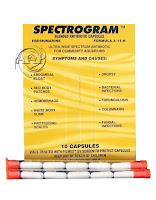
The most effective medication BAR NONE for the treatment of Columnaris in an aquarium when used as part of the four step program of Columnaris treatment.
A more synergistic combination than purchasing Kanamycin & Nitrofurazone separately.
AAP Spectrogram; Synergistic Kanamycin/Nitrofurazone

YouTube; How to: 4 Steps Columnaris Treatment Fish Bacterial Infection
This video goes over the basics of the full four step plan of properly treating Columnaris in aquarium fish and is a compliment to a FULL reading of this article.

A Healthy Aquarium, Disease Prevention
This article includes water chemistry as discussed here, as well this article includes many other important aspects of fish keeping that affect fish health.

UV Sterilization; Importance of UV Sterilizer use for Disease Prevention
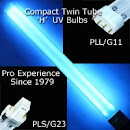
UV-C Replacement Bulbs Page 1
For TRUE High Output, Hot Cathode, Low Pressure UVC Germicidal Bulbs, for aquarium or pond

An excellent food source for Molly Fish

Aquarium Lighting, Complete Information
 Decorative Coral
Aquarium Decorations such as:
*Plastic Aquarium Plants
*Aquarium Driftwood
ADVERTISEMENT
Labels: Livebearer Disease, Mollies, Molly Care, Molly Disease, Molly Fish, Shimmies, Shimmy Disease

<< Home


