
Our Facebook Page to Follow: Aquarium/Pond Answers Facebook
This is a unique resource for answers, help, & advice to aquarium and pond questions not found elsewhere; With regular posts & article updates.
In our research; we use aquaculture, horticulture, medical, & university research to compile many of our articles.Our Recommended Lighting for highest efficiency professional planted/reef aquariums: "AquaRay Lighting"
Neon Tetra & FNT Disease; Sporozoan Fish Infection
NEON TETRA DISEASE (Identification, prevention and possible treatment of):
Also the similar infection; FNT Disease (False Neon Tetra Disease)
(Scroll further into the article for FNT)
By Carl Strohmeyer-PAMR 40+ years experience
Updated 11/25/24

This term is often a catch all name for diseases of Neon Tetras specifically and many other fish as well, especially other Tetras.
The usual cause is by a Sporozoan (parasitic spore-forming protozoan which reproduce sexually and asexually in alternate generations by means of spores); Pleistophora hyphessobryconis, although there are other causes including many fungi that will imitate this Sporozoan infection.
The true Pleistophora hyphessobryconis infestation is very difficult to treat, and basically impossible to treat in the later stages of this infestation, which is when most aquarists first notice this disease.
However, contrary to popular opinion on the web and elsewhere where many are just repeating what they hear/read elsewhere it is SOMEWHAT treatable in the early stages and VERY preventable from spreading based on my long time professional experience and experimentation.
Occasionally rare gram positive bacteria will also cause these symptoms (fading, loss of color, etc.) which require a different course of action.
ABOUT THIS INFECTION:
The disease cycle begins when parasitic spores enter the fish after the fish ingests infected food or organic debris, such as the bodies of dead fish, or live food (often Tubiflex Worms).
After the spores enter the intestinal tract, the newly hatched embryos burrow through the intestinal wall and produce cysts within the muscle tissue. These muscles containing the cysts begin to die, resulting in a pale whitish tissue.
Initially the only symptom may be restlessness especially when lights are turned on and off.
The infected fish often will stop schooling with others of their species. Soon the swimming becomes more erratic and the tell tale symptom of the white muscle tissue becomes apparent.
Other fish are susceptible to this infestation as well, this includes and is not limited too:
*Most Tetras
*Many Danios (including White Clouds)
*Angelfish & other Cichlids
Symptoms in order of progression:
- Restlessness and sensitivity.
- The fish become more isolated
- The fish has difficulty swimming (at this point treatment will generally fail)
- The tell tale white/ pale tissue appears.
- As cysts develop and produce more spores, body may become lumpy or irregular.
- Often in advanced cases spine may become deformed or curved.
ADVERTISEMENT
Before any aquarium/pond fish treatment it is important to know all the steps as often treatment is much more than dumping medication into an aquarium.
Please read this article before ANY aquarium treatment regimen:
Fish Diseases | How to Treat Sick Fish
TREATMENT (and more importantly; stopping the spread of this disease):
Removal of ALL infected fish from main aquarium if at all possible (along with the use of true UV Sterilization in the main aquarium).
A "bath" with Methylene Blue is the first step.
To prepare this bath I use 1-2 teaspoon 2.303% solution per 5 gallons in a bath of aquarium water from the tank the fish you wish to treat came from, I usually use about a ½ gallon of water, however you may use less. With Kordon's Methylene Blue, 10-20 drops per gallon will work.
Measurement of the Methylene Blue does not need to be too precise as this bath should only be used for about 30 minutes and Methylene Blue is safely overdosed for fish in baths, dips, or bare hospital tank. However overdosing in established aquariums can kill beneficial nitrifying bacteria.
This bath’s effectiveness is improved further by the addition of salt (at 1 teaspoon per gallon) AND Metronidazole at double the normal "in-tank" dose recommended by the manufacturer.
A Medicated Bath Resource:
How to Perform a Medicated Bath
Recommended Product Resources:
*AAP MethyBlu (Premium Methylene Blue formulation)
*AAP/SeaChem Metronidazole (Metroplex)
Make sure you keep the water in a warm area, as in a cold room the water temperature can drop rapidly which would stress the fish.
Do NOT pour this water back into your display aquarium when finished.
This bath can be performed twice per day.
Adding Nitrofurazone to this bath at double recommended tank dose instead of Methylene Blue can improve results.
Erythromycin can be substituted, especially for FNT Disease (Erythromycin Phosphate as found in AAP Mycin is more effective than the Erythromycin Sulfate found in API Erythromycin or Mardel Maracyn).
This bath is helpful for the both “True Neon Tetra Disease” and false neon tetra disease (FNT Disease).
In tank; I suggest the use of Naladixic Acid for just one dose, followed in 24 hours by a water change. If not all fish are affected, I suggest a hospital tank for this, although often Neon Tetra Disease picks off fish one by one some display aquarium treatment becomes necessary.
If Naladixic Acid (Naladin) is not available, AAP Nitrofuracin Green can be used, and in difficult cases, at 1.5 times the normal dose.
Product Resource: AAP Naladin; Naladixic Acid
Alternative "in tank" treatments (but less effective than Naladixic acid) includes ParaGuard-Parasite or Super Ich Plus (Super Ich is stronger than ParaGuard) combined with either Nitrofurazone (AAP Furacyn or less effective Furan 2) or Metronidazole.
Another alternative is the use of AAP Myacin in the main aquarium, although this is more effective for FNT Disease (discussed later), or simply for unknown Tetra "die offs".
Medicated Wonder Shells are excellent as a follow up treatment or for mild infections.
Continue this treatment for 7-10 days.
Recommended Product References:
*AAP Myacin (SUPERIOR Erythromycin Phosphate)
*API Erythromycin
*AAP ParaGuard-Parasite Treatment
*AAP Super Ich Plus
*AAP Furan 2
* For a good follow up treatment either after fish have mostly recovered or as a preventative:
AAP Medicated Wonder Shells
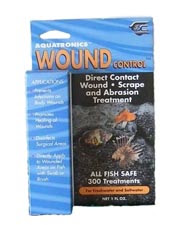 For very mild cases, an alternative to a bath would be the external application of Mebromin to the tetra (make sure both sides of the fish are applied to).
Product Resource: AAP Wound Control (Mebromin)
If at all possible I strongly recommend attaching a UV Sterilizer after treatment or removal of sick (or dead) fish.
This device will help in the spread of disease and improve Aquarium Redox (which improves immunity).
For more information about UV Sterilization. Please read this VERY IN DEPTH & RESEARCHED article:

ULTRAVIOLET STERILIZATION; How UV Sterilizers Work.
This article explains the benefits and myths about TRUE aquarium and pond UV sterilization as opposed to the many UV Clarifiers sold via Amazon & eBay masquerading as true UV Sterilizers (most of these are only meant for water Clarification).
It is also essential for UV Sterilizer to remain effective for prevention and Redox aid, that you change your UV Bulb every six months (regardless of some claims by less than honest long life, yet low output UV Bulb sellers)
Redox Reference: Aquarium Redox
Recommended Product References:
*High Output Hot Cathode UV Bulbs
*UV Sterilizers
A medication containing Metronidazole or an additional treatment of Metronidazole in tank can be very helpful as well.
Note: this is infestation is difficult to treat and takes a "medication cocktail" approach to defeat.
In the even more rare cases of FNT disease Erythromycin may be effective (I still recommend the medicated Methylene Blue bath). See False Neon Tetra Disease (FNT) section of this article below.
Medication Information Resources:
Aquarium Medications; How Metronidazole Works
Aquarium Medications; How Erythromycin Works
PREVENTION & ANECDOTAL IDENTIFICATION
It is noteworthy, based on my “house calls”, emails, customers, etc, in my years of Aquarium Maintenance & answering questions online, that the majority of Tetra Disease diagnosis are incorrect. Sadly this disease is often misdiagnosed.
Here are (in order of most common) miss-diagnosis causes of Neon Tetra Disease:
- Ammonia or Nitrite Poisoning
Reference:
https://www.americanaquariumproducts.com/Nitrogen_Cycle.html - Poor fish stock that was recently purchased, often suffering from the residual effects of Ammonia poisoning due to poor shipping/handling methods or simply genetic in-bred Neon Tetras (or other fish)
- Miss-diagnosis for the fish disease Columnaris.
Reference:
Columnaris in Fish; Treatment/Prevention - Long term poor aquarium health maintenance procedures, this includes regular water changes & vacuuming, aquarium chemistry methods, and much more.
Even proper aquarium lighting plays a minor role in fish health (as with most other animals and plant life).
Reference:
Aquarium Disease Prevention
Here are a few important steps summarized to prevent both Neon Tetra & FNT Disease:
- Maintenance of optimum water chemistry.
This includes low to zero ammonia/nitrites, a stable pH (and not too low of a pH, as pH numbers under 6.5 are favorable to NTD), a balanced Redox (which includes not only high oxygen levels but important reducers to lower oxidative stress), and a constant supply of mineral Cations. - Quarantine or at least use of fish baths for all new stock.
- Removal of ALL infected fish from your main stock along with true level 1 or 2 Sterilization with a HO UVC lamp in your main aquarium/tank (this does not mean a UV Clarifier such as a Green Killing Machine).
- Following most if not all steps outlined in the disease prevention article I provided earlier (which includes these previously mentioned steps).
Reference:
Aquarium Disease Prevention - Basically locating a good source (& sticking with it) for your Tetras and other fish that are easily infected by Neon Tetra Disease (& FNT disease) and following all or at least most of the procedures outlined in the article; “Aquarium Disease Prevention”, this disease should actually quite rare.
In fact I have not nor have our sister Aquarium Maintenance company’s regular full service clients had a case of this disease in quite some time (years as of this update).
Most cases were diagnosed with “occasional” service customers or online/forum questions.
Recommended Aquarium Maintenance Companies
FNT DISEASE:
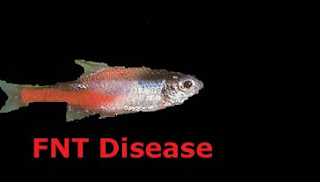
I will note it is common to confuse true Neon Tetra Disease caused by the Sporozoan; Pleistophora hyphessobryconis with other diseases such as many fungi infections and often gram positive bacterium, this is called False Neon Tetra Disease or FNT Disease and is generally caused by less common gram positive pathogens.
These false infections often do not have the symptoms leading up to the white/ pale tissue and the discoloration is more faint and much less white and defined than True Neon Tetra Disease.
As with True Neon Tetra Disease caused by Sporozoans, treatment is very difficult (but not impossible) while prevention is much easier. Often the best treatment is removal and euthanasia of affected fish then following preventative measure outlined earlier.
For treatment that has any potential of possibly working, a medicated bath is an important first step.
However in tank (or better hospital tank) treatment should also consist of a primarily gram positive “cocktail” such as Erythromycin (preferably Erythromycin Phosphate, not the much less effective Erythromycin Sulfate found in the API product), possibly adding either Medicated Wonder Shells, AAP Super Velvet, or maybe Kanamycin.
AAP PolyGuard is another possible treatment based on ingredients (although I have not used it for FNT Disease).
The use of a diatom filter before in tank treatment (not during) may help, but I have had very mixed results with this extra step, so I cannot confirm this steps make much difference in an already difficult to treat disease.
Please note that these combinations (that all start with Erythromycin) are EXTREMELY hard on bio filter bacteria, so use in a quarantine/hospital tank is strongly recommended.
As lesser strength "in-tank" treatment, but less harmful to bio filtration would be Kordon Herbal Ich (& Fungus) Attack
As a side note, I have observed FNT disease (not True Neon Tetra Disease) when many cycling aid products have been used, and since many use aerobic/gram positive Heterotrophic bacteria (possibly Actinomycetes), there may be a relation.
This is only an observation, but I have noted this on several occasions with many Tetras (as well as few Danios/Rasboras), so I would cease the use of these products if FNT Disease is suspected. I should note that I have not observed this with the better Cycling aids such as Fritz, SeaChem Stability, or my preferred cycling aid; "AAP Bacter Plus".
Further Product References:
*AAP Myacin (SUPERIOR Erythromycin Phosphate) (this product is a much better choice over the lessor Erythromycin Sulfate found in API Erythromycin or Mardel Maracyn)
*Kordon Herbal Ich (& Fungus) Attack
*AAP Super Velvet Plus (also for Fungus)
*SeaChem Kanamycin from AAP
*SeaChem PolyGuard from AAP
*To aid in nitrifying bacterial replenishment after treatment:
Effective Stabilized Natural Bacteria; Stability
Summary
If all these steps are followed my success rate in stopping the spread of these diseases is nearly 100% and treating early stages at around 20% for Neon Tetra Disease and 40-50% for FNT Disease.
If you cannot add the UV Sterilizer, the other steps will still help a lot, especially in stopping the spread.
But if you can afford a UV Sterilizer, purchase one, and not a UV Clarifier sold at Amazon, PetCo and others such as the Submariner or Green Killing Machine, rather a TRUE LEVEL ONE Sterilizer such as the TMC Vecton, AAP Terminator or CUP series (with prefilter)!
Water Changes are also important with both Neon Tetra Disease & FNT Disease immediately prior to each treatment. The use of the professional aquarium water conditioner AAP Res-Q is highly advised with each water change (even over other good water conditioners such as SeaChem Prime which is still inferior, especially when treating fish for disease).
Resource: AAP Res-Q
This is why this “treatment cocktail” is often required and following ALL STEPS IS A MUST.
Further Reference:
Mycotic Diseases of Fish
Other Recommended Reference & Product Sites
Fish Diseases | How to Treat Sick Fish
*UV Sterilizer Reviews: Equipment to AVOID
*TMC Vecton and Advantage Premium High Dwell Time UV Sterilizers
*AAP CUP Series Submersible True UV Sterilizers
*
Aquarium Lighting
The most in depth aquarium lighting article, an important read even for basic fish keepers!
*Fish Nutrition
*Aquarium Ich
*Pond Care Information
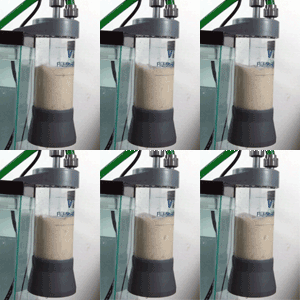
TMC Premium Fluidized Sand Bed Filters
Premium, second to NONE Aquarium Bio Filters, that with optional Oolitic Sand also maintain essential marine aquarium calcium levels, alkalinity, & electrolytes that are important to ALL Marine life, Goldfish, African Cichlids, Livebearers & more
AAP Custom Super Premium by Fish Food Guru Clay Neighbors
There is simply NO better prepared fish food; NOT Repashy, New Life Spectrum, or NorthFin, etc.
Best energy levels, best fiber content, best protein optimization, no added supplements.
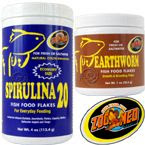
Spirulina 20 Fish Food Flake
The best balanced fish flake food diet for Tetras and other fish for disease prevention
ADVERTISEMENT
Labels: Faded Neon Tetra, false neon tetra disease, FNT Disease, Neon Tetra, NTD, Pleistophora hyphessobryconis, Sick Tetra, Sporozoan Infection

<< Home


