
Our Facebook Page to Follow: Aquarium/Pond Answers Facebook
This is a unique resource for answers, help, & advice to aquarium and pond questions not found elsewhere; With regular posts & article updates.
In our research; we use aquaculture, horticulture, medical, & university research to compile many of our articles.Our Recommended Lighting for highest efficiency professional planted/reef aquariums: "AquaRay Lighting"
Aquarium Answers Index
Aquarium/Pond Answers is brought to you from Aquarium Keeping Guru Carl Strohmeyer
Carl Strohmeyer (now retired), has fish keeping experience going back to 1968, and professional fish keeping/research experience going back to 1978.
He has authored more free internet articles than any other person, expert or otherwise.
These articles are found here at Aquarium Answers" as well as in the fish/aquarium/pond keeping library at "AAP Aquarium Information". He has also authored in full or in part many articles found in blogs such as "Fish As Pets".
This "Home" page is designed as a directory of articles here at Aquarium Answers (we also provide the list of articles in the right navigation bar on every post/article that is set in chronological order)
Our newest articles are:
How to Treat Sick FishWhirling Disease (Myxobolus cerebralis) in Fish
Reef Aquarium Chemistry Maintenance
Use of RO, DI, Softwater in Aquariums
TOPICS-
AQUARIUM CHEMISTRY:- How do Fish Drink, OSMOTIC FUNCTION- This article deals with the often forgotten yet very important subject of aquatic osmoregulation.
This is not only one of my more in depth and most updated articles this subject, but probably the most in depth anywhere on the Internet as well. - Use of RO, DI, Softwater in Aquariums- An article dealing with the subject of RO (reverse osmosis), DI (de-ionized), or softwater for aquariums. This is a subject that has a lot of miss-understanding surrounding it. As well this article cover subjects such why soft water via a home water softener should NEVER be for aquarium
A companion article to the above "How do Fish Drink, OSMOTIC FUNCTION" article.
This is a MUST READ article if you are thinking of investing in one of these systems or use softwater in your home for your aquarium - Reef Aquarium Chemistry Maintenance- This article looks into several methods for maintenance of reef aquarium chemistry.
The article focuses on calcium and alkalinity with a snapshot of minor/trace elements as well as the affect of methods on ionic balance upon reef chemistry such as increasing sodium. - Hydrogen Sulfides- Hydrogen Sulfide production in anaerobic De-Nitrification for Aquarium/Pond Nitrate Removal.
- Salt in Freshwater Aquariums- The use of Sodium Chloride more commonly known as just plain salt seems to be a constant source of controversy among aquarists. This article deals with the known facts and myths about the use of salt in FW Aquariums.
- Aquarium Nitrates- Although less toxic than ammonia and nitrite; nitrate (NO3) as a nitrogen compound also causes stress at all levels making a fish’s organs work harder to adjust to it’s new environment, especially at levels higher than 100 ppm)
- Aquarium or Pond Bio-Load- This article looks at what the definition of an aquarium or pond bio load, As well this article examines what affects the bio load and its affects on water chemistry.
- TAP WATER USE IN AQUARIUM; From Chlorine and Chloramines to Phosphates -Regularly updated information about the use of tap water in aquariums as well as removal of toxic elements there in.
- AQUARIUM TEST KITS; use & importance- Aquarium/pond Test kit basics and what they should be used for as well as general water parameters to achieve with your test kits.
- Plaster of Paris in Ponds/ Aquariums- This article deals with poor chemical comparisons to mineral block (such as Wonder Shells) and Plaster of Paris (as perpetuated in some backward forum posts). Also the article contrasts the chemical composition of the ocean.
ADVERTISEMENT
AQUARIUM DISEASES, TREATMENTS AND SIMILAR
- How To Treat Sick Fish- An article any fish keeper should read FIRST!.
The purpose of this article is not to provide any specific treatment regimen for the readers fish, rather to provide an outline that will provide a better chance for success over the typical "my fish are sick and what medications & how much should I dump into my aquarium" question. - Fin/Tail Rot; Treatment and Prevention in Bettas & ALL Fish (including Arowanas)- "Fin Rot" is a generic term that does not define any one disease, rather there are many causes of this Symptom; of which Fin Rot is better described as a symptom with more than one cause.
This is a practical article for ANY fish one considers to have "Fin Rot" regardless of whether or not the fish is a Betta. - TB in Fish; Mycobacterium Tuberculosis
A look a rare but deadly and frustrating infection of fish; Mycobacterium Tuberculosis.
CLEAR Identification, treatment, & prevention is given, as well as some excellent resources for further information. - Fish Eye Infections; Streptococcus Gram Positive Bacterial Infections in Aquarium -As well as common eye infections, This article deal with the most common gram positive bacterial infection affecting fish; Streptococcus iniae, and agalactiae as well as closely related bacterial groups; Lactococcus, Enterococcus , and Vagococcus.
- Fish Baths, Dips, Swabs- Fish Baths/Dips for supplemental (& even primary) treatment of Bacterial infections, wounds, sores, Fungus (Saprolegnia), parasite infestations, poisoning & more.
- HITH; Hole in the Head Disease in Fish- Information that is regularly updated about this often controversial disease/syndrome that afflicts Cichlids in particular.
- Ichthyophonus in fish- Ichthyophonus (Ichthyphonus) fungi are one of the more devastating aquarium diseases. It is nearly impossible to treat, however it is easier to prevent.
- Whirling Disease (Myxobolus cerebralis) in Fish- Similar symptoms to the symptoms of Ichthyophonus (Ichthyphonus) fungi.
Whirling disease is a disease of freshwater fish caused by the myxozoan parasite Myxobolus cerebralis. This infection/infestation is most commonly found in the wild found in the salmonid family of fish.
What is noteworthy mostly for prevention is that the parasite has two hosts — the fish itself and a freshwater oligochaete worm, popularly known as the Tubifex tubifex.. - Fish Parasites, Detritus Worms, Anchor Worms - Information about Trematodes, Nematodes, & Anchor Worms in Fish as well as Detritus Worms, planaria, and feeding worms such as Grindal Worms.
- Angelfish Virus, Aids- Although not as common as in the 1990s, this viral infection can devastate an angelfish population (& potentially other fish).
- NEON TETRA DISEASE; Identification, Prevention and Possible Treatment -Information about a fish disease that is often is often a catch all name for diseases of Neon Tetras specifically and many other fish as well.
- FRESHWATER VELVET (Piscinoodinium pillulare) & Costia (Ichtyobodo)- Identification, Prevention, and Treatment of these two somewhat less common diseases.
- Lateral Line in Fish - Information about Head and Lateral Line Erosion (HLLE) which affects primarily marine fish.
- DROPSY in Fish -prevention, causes, and possible treatment of this malady that is often a symptom of other problems.
- Fish Anatomy, Fin Identification- This Aquarium Answers Post is simply for Fish Fin and Fish Anatomy identification.
- Molly Disease, Care of Mollies- Molly Disease ("Shimmies") as well as basics and water parameters for Keeping the popular molly fish in aquariums, including the importance of GH of salt.
- USNEA; USING USNIC ACID AS A FISH REMEDY -How Usnic acid and Mucilage which are both found in Usnea lichen can be used as effective alternative aquarium and pond fish treatments.
AQUARIUM FILTER MEDIA, CONDITIONERS, SIMILAR
- Aquarium & Pond Filter Media- In this article I will discus three basic filter media types and subtypes of these.
These filter media types are Mechanical (such as Micron), Biological (Such as Ceramic Bio Media), and Chemical (such as Carbon). - AQUARIUM (& Pond) WATER CONDITIONERS - their ingredients (where available), what chemical functions they perform and uses based on my opinions of each based on using these products in a professional capacity as well as tests and available research.
- Activated Carbon for Aquarium or Pond- The pros and cons of carbon use; what carbon can and cannot remove and much more.
AQUARIUM & POND FILTERS, PUMPS, LIGHTING & OTHER EQUIPMENT
- PUR vs PAR in Aquarium Lighting
PUR stands for Photosynthetically Useable Radiation. It is also known as "useful light energy". This is more important for determining your aquarium light source than PAR. - Lighting Theory of a Planted Aquarium- RQE, PFY, PAS, & PUR The debate of what light energy is "useable" for plant photosynthesis or what's Photosynthesically Usable Radiation for planted and coral aquariums.
- HEAD PRESSURE in Aquarium and Pond Water Pumps
An in depth article explaining the affect of head pressure on water flow in aquariums and ponds. This is a must read for those attempting to determine the best fit for their UV Sterilizer, water features, and over all water flow scheme for their aquarium or pond. - Marine (Saltwater) Aquarium Protein Skimmers & Ozone Generators- Useful opinions about Protein Skimmers & Ozonizers based on my use and other aquarium maintenance professionals experience.
This article is based on "hands-on experience". - Aquarium and Pond Pump, Power Head Review- Useful opinions about pumps (power head, propeller, etc.) based on mine and other aquarium maintenance professionals experience.
This article is based on "hands-on experience", however it is still a more subjective article as with the article above - AQUARIUM HEATERS- Types of Aquarium Heaters, how they work, temperature guide for selecting heaters, as well general care/information.
- POND VEGGIE (PLANT FILTERS)- The Basic types of Veggie Filters and how to install them, based on many years experience using this method (long before it became a fad).
- Do Bio Wheels Really Work- An excellent fact based study of the often over hyped Bio Wheel used for biological aquarium filtration.
FISH CARE, HELP, BASICS, ALGAE & MORE
- Basics of Shipping Fish- Tips and basics about shipping, Problems to be aware of, Methods and products.
- Aquarium Size, Fish Stunting- This article deals with often controversial subject where anecdotal information is most often treated as facts, such as the 1 inch per gallon rule. Regularly updated!
- Aquarium Moving/ Power Failures- Opinions and methods for Aquarium moving based o many years experience moving aquariums both short and long distance. This article has some information in common with the Fish Shipping article.
- AQUARIUM ALGAE; Removal, Control- Information about these algae: Brown Diatom Algae, Common Green Algae, Thread/ Hair Algae, Marine Hair Algae, BBA/Black Brush Algae/Black Beard Algae/Red Algae, Cyanobacteria (Blue Green Algae).
- Blue Green Algae in Aquariums (Cyanobacteria)- more in depth information that is regularly updated about Cyanobacteria.
Not to be confused with Spirulina Algae such as found in Spirulina 20 - Betta Fish Wild Habitat & More - information about the natural habitat of the common Bettas and how it can relate to their care domestically.
- SEXING FISH -Basic information about sexing some freshwater fish for beginners (not an article for experts.
- STARFISH; Chocolate Chip, Knobby and Fromia.
- Octopus as Aquarium Pets
- Cyclops, Are these freshwater copepods dangerous in an Aquarium- Information about Cyclops and also Predatory Damselfly larvae that occasionally find their way into aquariums and especially ponds.
GENERAL AQUARIUM/ POND CARE INFORMATION
- AQUARIUM SILICONE APPLICATION; Aquarium Repair, Construction- What Silicone to use and what not to use; Also DIY Aquarium Glass Thickness recommendations, repair video, and more.
- Aquarium Gravel/Substrate; including pictures - Aquatic substrate recommendations/basics.
SUMMARY
As I also note at Aquarium & Pond Information although some of these articles/posts are more basic in nature, many are more in depth and require a thorough reading to fully understand and picking out snips without reading the full article may yield incomplete information.
A little background; when I first started writing these articles for the internet (something many of my clients asked for years), I made them VERY basic.
My early feedback was rather harsh as many said it was "nothing special", then some who knew me better said that although they were still better than many in content due to less anecdotal information, they did not come close to the delivering the information they knew I could and that my constant research should be reflected.
Many experts in SEO told me similar as well. So now, although some of the articles are still more basic and not all that unique, most however will have well researched information you will not find elsewhere in one location and this information is only best understood when read in full.
I will make my point as to why I feel it is so important that these articles be read in full and not in snips which can result in anecdotal or poor information dissemination;
"In the 1980s I was mentored by an Endocrinologist (MD) whom was also an avid fish keeper (mostly marine). He helped me much understand the ins and outs of medications and one time gave me an in depth medical article that he though had useful information that could be applied to fish as well. Much of the information was not readily easy to understand for me, so I skipped over many sections and gleaned the points I wanted.
Later I was making some points to the Dr. and he stopped me and said I was incorrect and if I had read the article in full, to which I replied, 'no'. He then said that there is no way I could understand this article without reading it in full and applying ALL the information contained there in".
My point is, often it is easy and unfortunately ALL too common in this hobby to read just what we want, and many web sites (such as about.com) are good at satisfying this basically lazy desire (of which I too have been guilty of), however this often leads to poor understandings of the subject or worse.
Back To Top
Other Recommended Reference/Product Sites
The article below is a MUST READ for anyone interested in moving from basic aquarium keeping to more advanced aquarium keeping, including better improved Redox Balance:

Aquarium & Pond 'TRUE' UV Sterilizer Use

Freshwater Aquarium Care

Aquarium Light Information
This is THE article for in-depth, researched, and regularly updated information on the subject of aquarium lighting; a MUST READ!

POND CARE INFORMATION; for a "Clear Pond"

FISH AS PETS AQUATIC NEWS
Fish as Pets with articles & commentary of Interest to the Aquarium Hobby
Including these MUST READ articles:
*PUR or RQE, YouTube Video Fail- Guide to lighting a planted tank
*Common Aquarium Keeping Myths
*EcoTech Radion Versus TMC Aqua Ray HO LED Aquarium Lights
*Reef Central; Aquarium UV Sterilizer Hall of Shame

Fish Diseases | How to Treat Sick Fish

By Carl Strohmeyer-PAMR 40+ years experience
Updated 5-9-23
 The purpose of this article is not to provide any specific treatment regimen for the readers fish, rather to provide an outline that will provide a better chance for success over the typical "my fish are sick and what medications & how much should I dump into my aquarium" question.
Obviously the starting place is aquarium disease prevention, but many readers will be too late to this aspect of fish husbandry, which is the point of this particular article.
A good professionally written article for prevention of aquarium disease is this one:
"Aquarium Disease Prevention; Proven Steps for a Healthy Aquarium"
Every single step in the above article should be followed to a T and I can guarantee that the incidence of disease will go down greatly.
Hopefully readers will acquaint themselves with this above referenced article which will in part form a basis for this article as I go forward.
As well this article is another good read before one goes forward with any fish treatment:
"Aquarium Medications; Part 1"
 I cannot emphasize more that many if not most fish diseases, especially bacterial or fungal in nature (including secondary infections to parasitic infestations) have a background issue. Failure to eliminate this background issue(s) will often result in failure of treatment.
Often the "background issue" is more than half the problem, so a good part of the treatment plan is REMOVING this background issue!!
A good analogy I like to use as to why it is so important to eliminate these issues is this:
"Not correcting causes or background issues is akin to standing in a burning building asking for a treatment for burns, while not leaving the burning building"
 Unfortunately in my dealing with questions of what one should treat for a given set of symptoms, I have found that for the majority of these questions, the person asking the question either only addresses underlying issues in part or not at all.
Often this is not because the person does not want to, but they simply do not have the means or the availability for whatever reason to do so.
I would also point out, and while this may seem a bit harsh, it is still the reality, and that is this is still not a valid excuse to continue to ask for alternative treatments or complain to persons such as myself that the treatment failed when proper procedures have not been completely followed.
I personally spend a copious amount of time writing articles, answering questions, or even paying staff to help for free, but please remember that one needs to obviously follow the medication course prescribed, but just as importantly if not more so, deal with ALL underlying causes to a given fish illness problem. So repeatedly going in circles when not following exactly advice given is in my opinion disrespectful to the person who is trying to help you with your fish illness issue.
When you are asking others for help, whether it be online or at your local fish store, make sure you ALWAYS provide background first; including ALL water parameters (mineral Cations too), filtration, maintenance, feeding, & fish kept. Past fish treatment history is important too.
I cannot tell readers how many times people have asked for my help and told me that their water parameters were OK/good, but when pressed to provide actual COMPLETE numbers or I went out personally and checked, the water parameters were anything but OK/good. Often the important KH & GH tests were missed too, partly due many well meaning aquarium keepers fooled into thinking that their "API Master Test Kit" was all they need (a symptom of shopping discounters or getting information from "cut & paste" internet articles, videos or forums).
As an analogy; your personal Doctor always has your history, takes your vital statistics, etc., so why should we expect those we are asking to help us with our sick fish to guess, especially when one considers we often are asking others to help us sight unseen and with far less tools at our disposal than a Doctor would have?
Here first are basic procedures to check off before treating any fish sickness issue:

- Make sure ALL water parameters are as they should be. This includes well known and obvious parameters as well as less obvious parameters. This is part of the "background issues I mentioned earlier.
It is also important to know the parameters of any new water used for water changes, so as to make note of any changes that might happen in the aquarium after the water is changed (in other words a baseline). As well, sometimes sudden changes in pH can cause illness in fish, so knowing the pH of new water for water changes versus old water is important.
INCLUDING:- Ammonia; under .5 ppm (best 0 or less in most circumstances)
Exposure to high ammonia in the past can be a set up for opportunistic infections in the future due to gill & organ damage (Methylene Blue baths can sometimes help with gill damage, but more so if done immediately). - Ph; stable within the generally accepted target range of the fish to be kept (if the target range is 6.5 to 7.5, stable at any number there-in)
- KH; this too can vary depending upon fish kept, but generally anywhere from 50 ppm to 150 ppm
KH (carbonate hardness) can keep an aquarium from pH crashes and knowing your KH on a regular basis can also tell you if it drops rapidly even after adding buffers that your bio load is too high and/or water changes are not adequate. A low or unstable KH can be an indicator or background issue for fungal/Saprolegnia and Aeromonas bacterial issues.
Further Reading:
Aquarium Chemistry; KH (Carbonate Hardness) - Flow and oxygen levels; most persons do not have an oxygen test kit, so having a water flow turnover rate of 5 times for an average non-planted freshwater aquarium usually will indicate adequate oxygen levels
- Bio Load & Decomposition & DOC; a high bio load, often compounded by decomposition of organic and high dissolved organic compounds will often be a breeding ground got Aeromonas and Saprolegnia. Fixing this is as important as any treatment regimen.
High Nitrates (over 40-50 ppm) can also be a symptom of this issue too.
Further Reading;
*Bio Load in Aquarium or Pond
*Aquarium Nitrates - Redox and Mineral Cations; this is an aspect of fish care that continued research both in and out of the hobby/industry is proving to be key.
In diseases such as Columnaris, having a less than optimum Redox whether it be the electromagnetism of the water, missing mineral Cations, low water rH, low or non existent GH, or simply too many free radicals (oxidizers) making for an unbalanced Redox; this is a major aspect in whether you will be successful in treating or just as importantly not have this disease present in the first place (since it is an opportunistic infection).
Other diseases such as HLLE have a direct relation to Redox (or a Redox quality/balance measurement called Relative Hydrogen aka rH). In freshwater, rH should be 23 to 26, otherwise your aquarium may not be as conducive to good health as it could be.
As well GH is a measurement many forget the importance as it has a direct relation to osmoregulation, mineral Cations, Redox & more. For most FW aquariums your GH should be at least 150 ppm, but much higher is still OK and with some fish such as livebearers, puffers, Lake Malawi Cichlids and more; a higher GH is called for.
Further Reading; Aquarium Redox - Temperature & Temperature History; sudden or even gradual but pronounced swings in temperature can have a major impact on a fish, often with permanent internal organ damage that can lead to opportunistic infections that may not be curable due to slow organ failure.
An example would be a fish such as a Betta exposed to 90F plus temperatures, this can result in permanent organ damage such as to the kidneys.
- Ammonia; under .5 ppm (best 0 or less in most circumstances)
- Follow ALL professional based treatment regimens when you treat for a disease.
This includes full dose of medications for the recommended days, any baths, swabs or similar if required, increased or decreased water temperatures if required, and use of sodium chloride salt if required (as an example, the last two are required for Columnaris treatment).
This also includes synergistic combinations such as Kanamycin WITH Nitrofurazone for Columnaris and other infections. Using just one or the other as per many professional recommendations is a recipe for failure.
In other words, if a fish bath, dip, or bare isolation/hospital tank is called for in the treatment regimen, this should be used, otherwise do not expect optimum results.
A common medication mistake is using "first aid" treatments such as Melafix for full blown infections, this is analogous to using Neosporin for a staff infection in a human. Then some will make very uninformed statements that "Melafix killed their fish".
Reference: Melafix Dangers; Betta, Labyrinth Fish, Pencil Fish
Another common mistake is using medications that likely not effective for the issue at hand. A common medication here is Metronidazole.
This is an excellent medication when used for what it is called for, but for some reason of late it is commonly used (sometimes in combination products such as General Cure) for fish diseases that are likely deterioration most likely caused by common aerobic gram negative bacteria commonly found in the aquarium and/or "bio filter". Problem is, Metronidazole is most effective with anaerobic gram positive & some anaerobic gram negative bacteria.
Further Reading:
Aquarium Answers article about Fish Baths - Follow ALL recommended fish husbandry aspects of fish care, including water changes, good filtration (including true germicidal filtration), proper mineralization, feeding, even optimal tank size, tank mates and places to hide from aggressive tank mates (example would be a small Mbuna/African Cichlid aquarium with little rock structures for weaker/submissive fish to escape, which can result in stressor that allow a disease such as Columnaris to get a foothold and then even spread to stronger fish in this aquarium).
I have addressed this in part in the overview section of this article, but since optimal aquarium conditions are one of the key aspects of most ALL fish disease treatments, I will note this again and expand a little more on it.
A common line I hear from well meaning aquarium keepers or even well meaning persons giving advice is: "Yes, my water conditions are good, I feed a good fish food, & I used what you stated".
Then I dig deeper and I find out that only part of a treatment is followed, they did not maintain a stable KH, proper mineralization and Redox, and what they assumed was a good fish food is what the person at PetsMart told them was best or they purchased from a large online marketer such as Amazon.
Even if a person has a UV Sterilizer, it often turns out to be just a Clarifier such as a "Green Killing Machine" or the many HOB UV filters they purchased on Amazon that might be great for green water, but does little to address disease prevention.
I cannot emphasize more the reading of these articles:
*"Aquarium Disease Prevention; Proven Steps for a Healthy Aquarium"
*"Aquarium Redox Balance"
*"Aquarium UV Sterilization; Facts & Information"
*"Fish Nutrition" - Consider an online fish care forum that is based on honest researched information, healthy interaction/discussion; and with members that are NOT about popularity and insulting others while lacking true/honest moderation. As well many forums have members and Admins that rarely read experience/researched information that is simply passed around like the telephone game often resulting in inaccurate information being given.
A forum that thinks Amazon is the answer to all your aquarium needs is one to be avoided, especially since many of the best treatments cannot be found here (along with many of the best aquarium products such as UV Sterilizers). It is also noteworthy, that by shopping Amazon, this only hurts professional sellers that support true information websites such as this one.
Here are our suggestions for sick fish care & prevention (the first two are the best places to reach aquarium fish keeping guru Carl Strohmeyer):
HERE IS AN EXCELLENT VIDEO ABOUT THE BEST AVAILABLE TREATMENTS:

AAP Professional Aquarium & Pond Medications
ADVERTISEMENT
Next, here are causes for failure of any fish illness treatment regimen:

- My first thought here is to point out that even a Medical Doctor with her/his years of college and later internship and experience along with the medical equipment and test at her/his disposal cannot cure everything, but not addressing underlying issues only complicates any human medical treatment further.
An analogy here is a patient who asks the doctor why he/she had a heart attack at only 42 years old, but fails to recognize the doctors advice that he/she is obese and needs to stop eating a Big Mac burger for breakfast, lunch, & dinner.
Unfortunately, many aquarium keepers will always start with medications or be advised as such (which of course medications are important), however your starting point should ALWAYS be water parameters & diet that provide optimum fish osmoregulation, as little oxidative stress, and as clean as possible water (not over cleaning whereby you wipe your bio filter either).
Quoting from a Doctor who works with refugees whom I just listened to a talk from; He noted many are trained to administer Metronidazole to refugees suffering from malnutrition, and severe dehydration resulting in life threatening diarrhea. He stated world health practices has found this to be totally wrong!
He noted that first get fluids and osmotic balance/electrolytes, and most often the patient will recover without Metronidazole and only administer Metronidazole after recovering the patient from the diarrhea.
DITTO YOUR FISH!
The other aspect of this bullet point is even is you were to follow everything correctly, have all the resources possible, and remove underlying causes; success is NEVER guaranteed. - Failure to follow medication treatment regimen or substitutions for what ever reason.
This is very common cause of failure.
Examples of failure to follow instruction include using just Kanamycin when the synergistic blend of Kanamycin and Nitrofurazone are called for to treat infections such as Columnaris. OR often even when blended, often aquarium keepers will utilize the less effective Furan 2 which calls for a different treatment schedule, when a better blend with AAP's Yellow Powder/Premium Nitrofurazone is the better choice (AAP Yellow Powder/Premium Nitrofurazone generally only requires the one initial treatment with Kanamycin followed by 2-3 more Kanamyacin/Kanaplex treatments).
Either one or the other will generally result in failure!
Or another example is if a Medicated Wonder shell is needed in addition to the above noted combination example to lower oxidative stress for a serious multi-pathogen or unknown issue, the chance of success on a likely difficult situation will be lower.
Reference: "Aquarium Medications; Part 1"
Product Resources:
* AAP Yellow Powder/Premium Nitrofurazone
* AAP/SeaChem Kanaplex (Please support this article and the professional aquarium keeping industry/hobby by purchasing here rather than discounters such as eBay and Amazon)
* AAP Premium Wonder Shells; (the ONLY Authorized full-line online retailer with the freshest product, unlike clearance product sold elsewhere including Amazon. Like a battery, Wonder Shells loose their Cation charge over time, so purchasing cheap/clearance product is not wise) - Similar to the above is taking advice from multiple sources/people.
The problem with trying to blend multiple different advice methods into one treatment is these are often conflicting and could result in over medication. This is NOT to say there is only one way to treat a specific problem, but I can state from decades of experience and client sick fish calls that combining treatment methods often results in failure!! - Genetics & poor breeding.
This is more common than many know, especially with fish such as Betta and goldfish which are heavily inbred for certain attributes with fish physiology be damned, thus resulting in very genetically weak fish (think about how many pedigree dogs are also over bred). - Poor care such as over crowding with resulting high ammonia exposure at some time in the life of the fish resulting in permanent organ damage that makes a fish susceptible to disease and treatment difficult later in life.
This is common with carnival goldfish, but again common with Bettas in how they are shipped and kept right up to their purchase.
As noted in the first section, as to following ALL optimal husbandry practices, when this is not done this can make a treatment less effective or not effective at all.
Often the result is that a more mild treatment regimen that WOULD WORK IN OPTIMAL CONDITIONS will not work, while a strong, sometimes harsh treatment, still will work. Then anecdotal observations that treatment A does not work while treatment B does, when in reality using more scientific method, we find this observation is not true by virtue that that treatment A was not given a fair chance to succeed via better fish husbandry standards.
I have seen this incorrect observation in social media as per ParaGuard versus Quick Cure for Ich treatment or General Cure versus Levamisol for worm treatments (the first in each example representing the more mild treatment). - Poor Diet.
This also does not need to be a current poor diet, it can be a past poor diet and in fact generally is since diet issues rarely show up immediately.
Diet issues include renal (Kidney) failure due to incorrect or poorly optimized protein levels, too low fiber, and fatty liver disease from too high of energy levels again instead of optimum levels (optimum is 280 energy points).
These are unfortunately quite common as even most of the best of fish food diets that use top notch ingredients do NOT optimize! This is even a bigger problem with most common fish foods fed.
A few examples as per exceeding optimum energy levels are: New Life Spectrum at 329, Cobalt Fish Foods at 420, and Wardleys' at a whopping 501 energy points!A seemingly contradictory point is that while long term fish health is provided by fish foods with low energy levels and higher fiber content, fish foods that are pre-digested and higher in energy levels is often best while treating sick fish. A good example here would be AAP/Gamma NutraShots which can be thought of as a frozen food that does not need to be frozen and stimulates natural feeding behavior.
 Unfortunately once the fish is sick due to past poor diets, even improved diets often cannot correct the issue, thus resulting in failure of treatment. This is especially true for Dropsy and other causes of bloating and even for Columnaris.
Reference: Fish Nutrition
Recommended Fish Foods:
*AAP Custom Premium Optimized Fish Food
*AAP Spirulina 20
*AAP/Gamma NutraShots


Other Recommended Reference & Product Sites
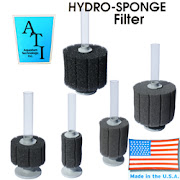
THE PREMIUM Aquarium Sponge Filter with as much as 5 TIMES the bio and mechanical capacity of commonly sold Chinese knock offs!!
Definitely worth the extra $1-3
 UV Replacement Lamps/Bulbs; Aquarium or Pond
For TRUE High Output, Hot Cathode, Low Pressure UVC Germicidal Bulbs, for aquarium or pond
PUR or RQE, YouTube Video Fail- Guide to lighting a planted tank

AquaRay Ultra Premium Aquarium LED Lights
Highest in PUR, The ONLY LED with an IP67 rating or higher for water proofing along with a full 5 year warranty to back them up!
Why purchase brands without this rating such as the Finnex, Current, or Fluval only to be essentially placing an electronic light emitting device over your humid aquarium with little or no guarantee? In the long term, you WILL PAT MORE!
TMC V2 RO Filter systems; the very best you can buy with TDS meter (far superior to 4 stage RO/DI systems sold via Bulk Reef Supply, Amazon, or eBay that use the inferior cellulose triacetate membrane made by Dow):
 Reverse Osmosis Aquarium Water Filters; with TDS Meter
Labels: aquarium fish diseases, fish sickness, fish tank diseases, my fish is sick, sick fish, treating sick fish, what am I doing wrong
Whirling Disease (Myxobolus cerebralis) in Fish
By Carl Strohmeyer-PAMR 40+ years experience
Updated 5-18-23
Whirling Disease (Myxobolus cerebralis) in Fish, primarily SA Cichlids
Whirling disease is a disease of freshwater fish caused by the myxozoan parasite Myxobolus cerebralis. This infection/infestation is most commonly found in the wild found in the salmonid family of fish, however is not very common with most fish kept in aquariums except under the right conditions and that come from certain sources.
What is noteworthy mostly for prevention is that the parasite has two hosts — the fish itself and a freshwater oligochaete worm, popularly known as the Tubifex tubifex. This is a major reason these worms should not be fed, but unfortunately are a common source of cheap protein for many fish farms, especially those selling to discounters.
This has been documented in particular with Cichlids coming from certain fish farms.

Water temperature also has an influence on all stages of the parasite life cycle since it slows its cycle over 70°F (21°C), as spores are released from the worm host when the temperature is between 10°C and 15° C.
However once infected, and while a higher temperature will check the spread, it will not significantly help for an infected fish based on my experience.
"Whirling Disease" gets its name from the radical tail-chasing swimming behavior of heavily and often fatally infected fish.
Clinical signs result from the presence of the parasite spores in the cartilage, causing inflammatory changes and pressure on spinal nerves. However, fish may become infected with the parasite and never show clinical signs; resulting in a difficult positive diagnosis of infection in these fish.

ADVERTISEMENT
SIGNS OF INFECTION/DIAGNOSIS
Please note that symptoms do not always appear and even then these symptoms do not confirm a diagnosis of Myxobolus cerebralis, only microscopic slides can confirm.
- Infected Fish will "whirl" forward in an awkward, corkscrew-like pattern instead of swimming normally. This behavior change generally takes about 35 to 80 days after initial infection.
So if you have had your fish for 6 months in an aquarium kept at 80°F (27°C), most likely your fish does NOT have Whirling Disease - It is much more common for new fish to be infected with Myxobolus cerebralis, especially that come from discounters selling fish from fish farms utilizing ponds or using Tubliflex worms as a cheap source of protein.
It is also noteworthy that this is more commonly a disease of cooler water fish based on the life cycle, HOWEVER, I have had several confirmed cased of Whirling Disease in Cichlids in particular. - Fish infected with worms also infected with Myxobolus cerebralis may have lower body mass and may be discolored in the area near the tail
This video below shows a trout with advanced "Whirling Disease", also displaying darkening of the tail that sometimes occurs in advanced stages.

YouTube; Whirling Disease
TREATMENT
- Prevention is the #1 treatment; KNOW YOUR FISH SOURCE or your Retailers fish source!
Retailers selling fish distributed by Aquatropic is a good starting point.
Reference: Aquatropic - Nitrofurazone (Either pharmaceutical grade AAP Furacyn or lower grade Furan 2) combined with AAP Super Ich Plus or ParaGuard for in tank treatment.
Methylene Blue, sodium chloride, along with Super Ich Plus or ParaGuard in a Fish Bath
And Metronidizole & praziquantel as part of a fish food soak.
Further Fish Bath Information:
Fish Baths, Dips, Swabs
Further Fish Food Medications Soak Information
Aquarium Medications; Food Delivery of Medications
Recommended Product Sources that support this FREE Information and the Aquarium/Pond Keeping Hobby:
*AAP Metronidizole
*AAP ParaGuard
*AAP Super Ich Plus
)*AAP Yellow Powder; Premium Nitrofurazone Blend (Best
*AAP Nitrofurazone/Furan 2
*AAP General Cure (source of BOTH Praziquantel/Metronidizole) - An excellent product, Naladixic Acid, can also work for "Whirling Disease", and even more so for symptoms that often mimic Whirling disease in aquarium (but are not actually true Whirling disease). This medication was often very effective from my experience in certain cases and when combined with products such as Metronidazole or Medicated Wonder Shells, especially for Discus and other Cichlids.
Thankfully AAP has been able to bring back Naladixic Acid in the form of the product "Naladin".
Recommended Product Sources:
*AAP Naladixic Acid
*AAP Medicated Wonder Shells - AAP/SeaChem Cupramine can also help (more as a preventative for unaffected fish), not as much as a treatment.
Ditto the Medicated Wonder Shell which has some of the same form of copper as Cupramine and ha the bonus of improving mineral Cations/electrolytes in the aquarium .
Recommended Product Sources that support this FREE Information and the Aquarium/Pond Keeping Hobby:
*AAP Medicated Wonder Shells
*AAP Cupramine
References:
*Ichthyophonus in Fish
A similar disease in both symptoms and the fact both are more common in cooler waters or carried from cooler waters.
*Wikipedia; Myxobolus cerebralis
Other Recommended Reference & Product Sites

Fish Diseases | How to Treat Sick Fish

Freshwater Aquarium Care; Basics to Advanced

Premium UVC Replacement Lamps
For TRUE Premium, Hot Cathode, Low Pressure UVC Germicidal Bulbs, not the low output bulbs/lamps commonly sold at Amazon & eBay

Premium USDA Aquarium Safe Silicones
*Columnaris & Fungus Infections in Fish
*How Aquarium Medications Work; Part 1
AquaRay Ultra Premium Aquarium LED Lights
Highest in PUR, The ONLY LED with an IP67 rating or higher for water proofing along with a full 5 year warranty to back them up!
Why purchase brands without this rating such as the Finnex, Current, or Fluval only to be essentially placing an electronic light emitting device over your humid aquarium with little or no guarantee? In the long term, you WILL PAY MORE!
Labels: Discus spinning. Whirling disease, fish equilibrium, fish loss of balance, fish spinning, Myxobolus cerebralis
Reef Aquarium Chemistry Maintenance
By Carl Strohmeyer-PAMR 40+ years experience
Updated 6/12/2023

CALCIUM
Calcium is an essential element required by our reef aquarium. It is the building block for many hard corals, but is still required by all reef inhabitants, even fish! Your reef aquarium calcium level should be 400-450 ppm.
Since fish in marine environments constantly drink the water around them, they have a chemistry that is in sync with their environment.
A regular dosing/supply of calcium also supplies essential mineral Cations that again all reef inhabitants require.
Further Reading:
*Do Fish Drink? Osmoregulation in Fish
*Aquarium Redox, Including Cation replacement
Use of popular Calcium Chloride Dehydrate products only or along with economy Soda Ash Sodium Carbonate products sold by discount bulk suppliers can result in a slow build up of sodium chloride even with a stable specific gravity or salinity, resulting in less than optimal ionic balance for your reef aquarium. This over time is generally difficult to measure by marine/reef keepers, with the result of marine aquarium keepers potentially looking in to incorrect reasons for declining results (such as lighting).
This is where the 3 step AAP Balling Method is superior as NO additional Sodium Chloride is added nor is it concentrated.
The AAP Balling method also eliminates the use of a calcium reactor.
By not using a calcium reactor, this creates some other benefits:
-The pH of the whole tank can be maintained at a higher level, because no acidic calcium reactor effluent are added to the tank anymore.
-The addition of the balling mix provides all the depletion of elements.
Videos explaining the "Balling Method":

AAP Balling Method Reef Tank Dosing | Chemistry | Calicum | Alkalinity

The Balling Method explained by Hans-Werner Balling
 Recommended Product Resources (sponsors this hobby with websites such as this):
*AAP Bio-Calcium Original Balling Set; Parts A/B/C.
*SeaChem/AAP Reef Advantage Calcium
Other methods of calcium maintenance include Kalkwasser, Calcium reactors, and products such as "Reef Calcium; polygluconate".
While Kalkwasser is popular among many advanced marine aquarists, caution should be used with this method of adding calcium to your marine aquarium. This is not to say Kalkwasser does not work, in fact introduced properly it is an excellent way to regulate calcium and alkalinity in saltwater aquariums.
Here is how Kalkwasser works:
Used properly Kalkwasser (Calcium Hydroxide) is slowly dripped into your aquarium, it captures free Carbon Dioxide present in the tank water and converts it to Bicarbonate ions.
However if you drip too fast or if there is not enough Carbon Dioxide available in the water, Carbonate ions will be formed which will make the Ca++ you are trying to add to your tank get wasted by the useless precipitation of Calcium Carbonate (often forming a white residue that precipitates out of your aquarium).
This too rapid addition of Kalkwasser may actually cause the Calcium and Alkalinity in your tank to go down instead of up.
See the equation below:
Ca++ + 2(HCO3-) + Ca++ + 2(OH-) <==> 2 CaCO3 + 2 H2O
Often even a slow drip of Kalkwasser (Calcium Hydroxide) can cause the above reaction if there is not enough CO2 present in your marine aquarium.
One method to avoid this is to add 15ml of 5% Distilled White Vinegar (Acetic Acid) into a 1 liter or 1 quart container.
Dissolve 1/2 teaspoon of Kalkwasser into the Acetic Acid, and then dilute to 1 liter (1 quart) volume with either RO/DI water (tank water can be used in a pinch).
ADVERTISEMENT
A Calcium Generator/Reactor is another popular method for maintenance of calcium and alkalinity as well as KH/pH regulation, especially in marine/reef tanks heavily stocked with stony corals.
A calcium Reactor works by providing a steady stream of calcium (and some Strontium too) by using CO2 in the reactor. The CO2 then "reacts" with the Calcium Carbonate producing calcium ions and carbonate ions (the carbonate ions increase alkalinity).
Although I have NOT had an instance where this was an "essential" device for my reef tanks, it can be very useful for previously noted reasons.
I have also had issues of too much CO2 getting into the marine/reef aquarium resulting in drops in pH and Alkalinity. This is not to say CO2 is "bad" for a marine/reef aquarium as it is needed for photosynthesis in the same way it is needed in a freshwater planted aquarium, however a CO2 level that constantly crashes your pH/Alkalinity is simply too much CO2!
Under normal circumstances/conditions a Fluidized Filter utilizing Oolitic sand media can accomplish similar results, however for high bio load reef tanks with large amounts of stony corals, a Calcium Reactor will produce more calcium.

Kalkwasser and Calcium Reactor Information Referenced from:
*Aquarium Chemistry; Use Of Kalkwasser, Calcium Reactors
Resource for basic but accurate Calcium Test Kit:
API/AAP Calcium Test Kit
Resource high performance Fluidized Sand Bed Filters:
Fluidized Sand Bed Filters from AAP
ALKALINITY
Which is better Sodium Carbonate vs Bicarbonate?
First what is the chemical difference:
Sodium Carbonate = NaCO3--
Sodium Bicarbonate = NaHCO3- (the "Bi" means two, as in H + CO3)
Next, a little about pH since alkalinity is what generally stabilizes pH in our aquariums.
pH = a measurement of H+ and the more H+ the lower the pH and less Alkalinity in short. Molar value wise, it takes twice as much as Bicarbonate as Carbonate to raise the Alkalinity up 1 Equilibrium unit. Volume wise it is 0.6 tsp of Bicarbonate vs. 0.4 tsp of Carbonate to raise the Alkalinity 1 milliequivalent (mEq) / or 2.8 dKH in 10 gals.
Weight wise, is it is 3 grams vs. 2 grams.
Bicarbonate, due to that H, has less impact on pH than Carbonate.
Bicarbonate is mostly for raising the Alkalinity along with pH maintenance, while Carbonate is for raising the Alkalinity and pH.
Carbonate used only by itself should only be used if you have a low pH and Alkalinity. If it's to buffer up the Alkalinity, Bicarbonate is better.
Generally in a healthy/balanced reef aquarium where excess CO2 is not being produced or introduced (such as with a Calcium Reactor), a Bicarbonate is the better choice for an ionically blended bicarbonate with other elements in ionic balance such as SeaChem/AAP Reef Builder or used in the balling Method, NOT an economy Soda Ash Sodium Carbonate that is often sold by bulk aquarium supply discounters.
My experience has shown that Soda Ash Sodium Carbonate will not show up as a problem short term, but long term this WILL show up with lower alkalinity reserves and a slowly deteriorating ionic balance over time (unless large water changes are performed regularly with a quality marine salt blend). This will also show up as a less than desirable rH over time.
Recommended Product Resource (sponsors this hobby with websites such as this):
SeaChem/AAP Reef Builder
Sodium (Na+) more or less accumulates over time, as does the SO4 and Chlorides from non-ionically balanced use of calcium supplements, alkaline buffers, and minor/trace elements. This is why water changes are often needed to keep the chemistry in balance even though specific gravity/salinity is "spot on". Hence my recommendation of the AAP Balling Method or ionically SeaChem supplements.
It is common for the pH to drop over night, especially if the alkalinity is less than 8 dKH. This pH drop is from animals and plants giving off CO2 at night. The reason why it may not hold at a lower Alkalinity is also a night thing of animals and plants "leaching" out things more so, which can have a greater impact on the Alkalinity and pH as they yield acids.
A common limnological [1] term for Alkalinity is ANC ("Acid Neutralizing Capacity"). These affect the pH and Alkalinity. Although it's not often heard of in the aquarium keeping hobby, there's also Acidity, BNC, ("Base Neutralizing Capacity"). It's the opposite of Alkalinity.
Recommended discussion:
Sodium Carbonate vs Bicarbonate; from Manhattan Reefs
References:
[1] "Limnology": The scientific study of the life and phenomena of fresh water, especially lakes and ponds (Adj. limnological - of or relating to limnology).
TRACE/MINOR ELEMENTS
Many trace and some minor elements are not depleted at the same rate as alkalinity and calcium. In my experience not every reef or even marine fish/FOWLR aquarium is the same when it comes to depletion of trace, minor, or major elements.
There is also disagreement among many with what is a minor, trace or major element with websites such as "Live Aquaria" calling Strontium a major element, where as based on its percentage it clearly falls into the category of minor or trace element.
SEE THE LIST BELOW FOR THE MAKE UP OF THE OCEAN:
- Chloride- 55.03%
- Sodium- 30.59%
- Sulfate- 7.68%
- Magnesium- 3.68%
- Calcium- 1.18%
- Potassium- 1.11%
- Bicarbonate- 0.42%
- Bromide- 0.19%
- Borate- 0.08%
- Strontium- 0.04%
- Fluoride- 0.003%
- Other- less than 0.001%
Regardless of what we call each element, it's important to keep your reef or even fish only marine aquariums as close to natural percentages as possible. Although we often find keeping Calcium slightly higher works to our advantage in the closed system most any marine aquarium is in reality.

For this reason, we need to find a method, which works best for us AND our aquarium, not what seems like the method de-jour of the day. As well, just because something might seem more complex, does not necessarily make it better either.
So, if you are a beginner, do NOT feel pressured by the so-called pros in many forums, which insist that it's their way or the highway (this is also not to say their method does not work, only that often these over involved methods do not work any better than more simple methods).
As noted earlier, also be careful of popular economy methods, which use bulk Soda Ash Sodium Carbonate and Calcium, then leave out elements, which often get used in conjunction at similar rates such as Magnesium and Strontium. This is still why I prefer the SeaChem or Complete Balling Method over the Economy dosing, Calcium Reactor, or Kalkwasser methods.
Here are a few key Minor/Trace Elements:
- Strontium: Many marine organisms use strontium in the development of their skeletons. Depletion results in poor growth rates in both hard corals and coralline algae.

Strontium is provided by SeaChem/AAP Reef Builder and Reef Advantage Calcium in ionic balance, which generally replenishes the Strontium to the correct balance. As well the Balling method naturally replaces the correct balance of Strontium in step 3 if this generally simple method is followed correctly.
Strontium is also replenished with the use of a calcium reactor, but not as often in correct ionic balance. It is NOT replenished with the Kalkwasser method or the economy methods without supplementations and often then ionic balance is NOT achieved from my experience. - Magnesium: Magnesium, is partly responsible for the regulation of pH and the formation of your invertebrates' skeletons. However, while a large percentage of saltwater consists of magnesium (more than calcium), it's used at a much slower rate than calcium or strontium.

Generally if SeaChem/AAP Reef Builder and Reef Advantage Calcium are used OR the complete Balling method, supplementation is NOT necessary.
If your magnesium is regularly depleted or lower than normal (between 1200 and 1400 ppm.), I would question your supplementation methods and quality of marine salt mix used.
As well, the argument I have heard that magnesium should be monitored closely or should be supplemented separately based on the fact magnesium makes up a large percentage of seawater does not " hold water" (pardon the pun), any more that we as humans need to be concerned with nitrogen in the air as it makes up the largest percentage of air molecules (much more than O2).
Again, as I noted earlier, with proper supplementation and reef salt mix use, magnesium is rarely, if ever an issue and even then it is more to keep your magnesium at proper ionic concentration/balances with other salts/elements in the water.
Recommended Resource if needed:
SeaChem/AAP Reef Advantage Magnesium - Iodine and Iodide: - Iodine is essential for the health of many soft corals such as Xenia and may also have antibiotic properties in stony coral aquariums. Iodine may also enhance stony coral coloration.

Iodine often is rapidly oxidized in a marine reef aquarium (not so much a marine fish aquarium).
I have found additional supplementation is necessary even with use of the before mentioned SeaChem/AAP products or with Calcium Reactors, Kalkwasser and most certainly economy bulk methods. However, less supplementation (if any) is needed with the Complete Balling Method.
Recommended Resource:
SeaChem/AAP Reef Iodide - Iron: Iron is used by photosynthetic invertebrates and plants as it provides added nourishment to the photosynthetic cells. Lack if this minor element can result in poor coloring, growth, and expansion within these organisms.
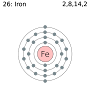
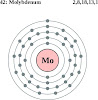
Generally supplementation is not required with normal water changes and/or the use of the Complete Balling Method. - Molybdenum: Molybdenum is trace element known to aid the biological processes of many of the beneficial strains of bacteria.
- Other/General Trace Elements; There are many more trace elements as per my earlier list (which itself is not a complete list).
Generally with products such as SeaChem/AAP Reef Trace, AAP SeaLab, or the Complete 3 Step Balling Method and along with water changes with a quality marine/reef salt mix, these are replenished.
SeaChem/AAP Reef Trace includes the before mentioned Molybdenum too.
AAP Sea Lab Blocks are essentially a marine version of the popular AAP Wonder Shell and are an excellent & simple choice for "Fish Only" or "FOWLR marine aquariums".
With the regular and "system size" AAP Sealab, I do still recommend using AAP/SeaChem Marine Buffer to supplement alkalinity maintenance.
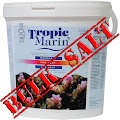 Of course starting with a good premium reef salt mix is important as well (if not more so for serious reef or marine fish keepers).
I recommend Tropic Marin Pro Reef Mix from Germany as it is clearly the best, although there are many other good/viable reef capable mixes available as well (& many not so good too).
In fact as per a premium marine/reef salt mix, there is wide difference in quality between Tropic Marin and most others in quality, mix-ability, and of course price.
But even when it comes to price, when one considers that with a premium salt, you will use less additives and more importantly have higher longevity among marine inhabitants, the price difference over time becomes much lower.
Even if you are a "bulk reef price shopper", you will often find that you will either pay at the beginning (with an optimized marine salt such as AAP Tropic Marin) or pay at the end with the need to purchase much more in additives, more time spent chasing "numbers", and maybe even more due to shorter lived livestock!
Beware of non-scientific reasoning that states I used salt mix 'X' or 'Y' for years with good results for years with no problems.
This is not scientific reasoning, as many marine aquarium inhabitants can live under quite extreme environments but for maybe high ammonia or similar. I've come across many new marine clients water that had salinity either way too low or way too high with poor chemistry parameters too yet their was still life in the aquarium.
The difference shows up in longevity and resistant too disease or similar problems. In fact, in experiments with Cephalopods (Octopii) which have short lifespans and are more sensitive to certain water parameters than many other commonly kept marine aquarium inhabitants and found marked differences in lifespans using a premium salt mix such as Tropic Marin versus the majority of popular brands.
Recommended Resources:
*SeaChem/AAP Reef Trace
*AAP SeaLab
*AAP/SeaChem Marine Buffer (for Fish only, FOWLR aquariums)
*AAP Bio-Calcium Original Complete Balling Set; Parts A/B/C.
*Premium Tropic Marin Pro Reef Sea Salt from Germany


TO SUM IT UP:
The marine aquarium has to have some basic chemistry understanding to maintain a successful tank. There are a handful of methods, which use different dosing methods, based on science and budget.
The most popular method used is different between different groups/nationalities of reef keepers. While there might be different successful ways to keep aquariums, with many examples, there are methods, which have been proven to be more successful than others, when looking at the details of the tank health.
What I personally find frustrating is not the different methods, often that involve understandable budgets; is rather the insistence by some, often by popular persons in social media that certain aspects are essential while ignoring aspects that would actually make more difference.
Case in point is the myth perpetuated by marketers and then picked by non discerning (or paid off) popular YouTube channels or other social media personalities that the use of DI water is essential for marine reef aquariums, all the while using inferior salt mixes or alkalinity and calcium maintenance methods.
All the addition of a DI chamber does for you is lower TDS somewhat compared to a good RO system and remove ions that would result in a residual higher pH (assuming the pH was high in the tap water).
Saltwater by nature is high in TDS and your tap water has to meet certain standards for toxins such as arsenic, so running a GOOD RO unit (not a cheap poorly made one) should lower your TDS enough to be sure there is nothing toxic of any consequence. Better to then spend your money on better slat mixes and better marine chemistry maintenance rather than doing this part "on the cheap" as many do while wasting their money on elaborate RO/DI systems after falling for the "cut and paste marketing".
Really about the ONLY time you would need this additional DI chamber is if you are on a well with very high nitrates (a good RO system still removes most nitrates) or you are running off from a home water softener unit.
Funny thing is, these same persons who will argue the use of getting every last TDS because they worry about 1 part in a billion of arsenic or similar are the same ones who have argued the use of why they should use a USDA approved silicone for their aquarium instead of a cheap unapproved hardware brand silicone or a less efficient but popular LED fixture that now have come to dominate the market despite simple science.
Further Reading:
*Aquarium Silicone, Tank Repair, Applications, DIY, How To Use
*Use of RO, DI, Softwater in Aquariums
*Aquarium Lighting; Facts & Information
Keeping a reef tank as close as possible to natural ocean water conditions has always been the advanced marine keepers goal. With the addition of dosing a third part of trace minerals, which help keep an ionic balance, this really is the closest to natural sea water any aquarium keeper can keep. These minerals listed in this Reef Chemistry Article and the suggestions on how to maintain, really are the best current professional advice anyone can take and apply to their reef tank.
Other Recommended Reference & Product Sites
PUR or RQE, YouTube Video Fail- Guide to lighting a planted tank

Saltwater Aquarium Information; Basic to Advanced
Aquarium or Pond UV Sterilization/p>
AquaRay Ultra Premium Aquarium LED Lights
Highest in PUR, The ONLY LED with an IP67 rating or higher for water proofing along with a full 5 year warranty to back them up!
Why purchase brands without this rating such as the Finnex, Current, or Fluval only to be essentially placing an electronic light emitting device over your humid aquarium with little or no guarantee? In the long term, you WILL PAT MORE!

AAP Premium Fluidized Sand Bed Bio Filters
Premium, second to NONE Aquarium Bio Filters, that with Oolitic Sand also maintain essential marine aquarium calcium levels, alkalinity, & electrolytes that are important to ALL Marine life, Goldfish, African Cichlids, Livebearers & more

Nutramar Nori- Seaweed (25 Sheet)
All natural roasted green seaweed, perfect for feeding marine herbivores and omnivores such as tangs, butterflies, and angelfish.
Enticing, nutritious, and easy to feed.Ingredients: Contains pure Pyropia sp. algae. No preservatives, artificial colors, or ingredients.
TMC V2 RO Filter systems; the very best you can buy with TDS meter (far superior to 4 stage RO/DI systems sold via Bulk Reef Supply, Amazon, or eBay that use the inferior cellulose triacetate membrane made by Dow):
Reverse Osmosis Aquarium Water Filters; with TDS Meter
Labels: alkalinity reef aquarium, Balling method, bulk reef products, calcium reef aquarium, magnesium reef aquarium, reef chemistry, reef maintenance, seachem reef products


