
Our Facebook Page to Follow: Aquarium/Pond Answers Facebook
This is a unique resource for answers, help, & advice to aquarium and pond questions not found elsewhere; With regular posts & article updates.
In our research; we use aquaculture, horticulture, medical, & university research to compile many of our articles.Our Recommended Lighting for highest efficiency professional planted/reef aquariums: "AquaRay Lighting"
Power Head, & Water Pump Review; Aquarium & Pond
REVIEW OF AQUARIUM (& POND) POWER HEAD, PROPELLER, & WATER PUMPS BASED ON REAL WORLD EXPERIENCE (including comments on about.com and thereeftank.com reviews):
By Carl Strohmeyer-PAMR 35+ years experience
Updated 5/6/20
Index;
- Overview
- Basic Pump Types
- Head Pressure
- Rio (Taam) PowerHead Water Pumps
- Rio HF Water Pumps
- Maxi Jet Power Heads
- SunSun Power Heads
- SunSun Water Pumps
- Marineland Power Heads
- Hagen Power Heads
- Jebaeo & Finnex Pumps
- ZooMed Power Sweep
- Hydor Koralia Propeller Pumps
- Seio Propeller Pumps
- VorTech Propeller Pumps
- PondMaster Pumps
- Via Aqua Power Head Submersible Pumps
Overview;
First I would like to recommend readers to look at the following webpage to better understand what aquarium, pond, fountain water pumps would fit their needs best and why:
Water Pump Specifications, Recommendations, Limitations
COMMENTARY:
As to the review, which unlike most articles here at Aquarium/Pond Answers, this one is admittedly more subjective rather than objective since these were not controlled studies in the strictest scientific since.
HOWEVER these are based on decades of experience, much mentoring, experimentation, & going with what the popular fad or believing everything a product salesperson told me.
While not to pick on about.com, however after an interesting email form a hobbyist about aquarium power heads/pumps I thought I would investigate what is being said in reviews and stumbled across an article with the reviews of five different power heads at about.com.
This is also not to say I've been perfect from my selection of pumps or did not fall for what a salesperson told me, but I will point out that I learned from mistakes and sought out mentoring (often from engineers as to what a design difference would mean).
 A good example back in the late 90s was the Rio 3100 Pump. I was told the new "hinged" impeller was an improvement, so I installed a couple on a new pond build to run a pair of "under-rock" filters powering a pair of UV Sterilizers.
While they ran great for a short time, the hinges broke in short order. I replaced the pumps for my client only to see this happen again. I later simply installed a pair of Rio 20HF Pumps and had no further problems.
Back to the review, many pumps are left of from popular "cool kids" reviews where there was clearly no professional consultation. These reviews often left off some of the best aquarium and pond power head/ water pumps then their reviews were quite contrary to my extensive experience with these pumps in literally 100s if not thousands of aquariums & ponds over the years in my aquarium/pond maintenance business.
Basic Pump Types:
I would like to start out that aquarium water pumps come in three basic designs:
- The Power Head Pump such as the Maxi-Jet and SunSun PH; these are best for use with sponge filters or under gravel filter lift tube and thus acting as part of a filter system.
This type generally does not have as much head pressure as the submersible pump style and for this reason these do not work well for applications such as running Ultra Violet (UV) Sterilizers, Fluidized Sand Bed Filters, or similar.
However this style or even more so the Circulation/Propeller pump is often better for running wave makers than the submersible pump style as these tend to work better in the constant re-start environment of wave makers (I should note that not all true power heads work well here either such as the Marineland).
True UV Sterilizer & FSB Filter Resources:
*UV Sterilizer, Clarifier for Aquarium, Pond
*AAP Premium Fluidised Bed Aquarium Bio Filters - The Submersible Water Pump such as the Via Aqua and Rio PowerHead/Pump series can function both as an inline submersible pump for sumps, fountains and even ponds as well as for power head applications (such as the Rio 600).
This is a VERY BROAD category, with really small models such as the 85 gph Rio 90 up to really big models for ponds or aquarium systems such as the 4755 gph AAP JAP-18000.
The design however is similar from the smallest to the largest.
Some important points to this popular and large category of aquarium/pond water pump:
- With smaller versions, often ceramic shafts are used for noise and heat reductions, but these do not fare well in larger models (much over 750 gph).
- With ALL models, power failures or surges can cause them to not re-start when normal power returns (especially if water has high particulate or mineral loads such as often found in many marine aquarium & pond applications). Even more noteworthy is that with larger models, if the impeller is left seized/frozen, this can burn out the pump magnetic windings very quickly as evidenced in warping or burning of the impeller well.
- As noted in the previous point, for aquarium applications this style pump does not function as well in the environment of being connected to electronic wave makers as the design of the impeller & impeller well does not lend itself to constant starts and re-starts (the best are the propeller pumps)
- Beware that many of these submersible water pumps will add wattage and/or larger impellers for higher flow rates designs without "beefing up" the size and weight of the magnetic windings. This can result in a shorter lifespan of the pump due to premature failure of the electromagnet.
An example is/was the Via Aqua 2100 versus the 1300. Both had the same size electromagnetic windings, but the 2100 pulled a higher wattage with a larger impeller resulting in it being a shorter lived pump.
For another comparison, the AAP JAP 8500s larger cousin the 18000 outweighs it by about 3 lbs just due to the larger magnetic windings  Before I seem to throw this style of submersible water pump "under the bus", this is probably the most versatile style of pump you can purchase without spending "big bucks" for a generally reliable pump if properly used.
These can be major circulation pumps with excellent head pressure for aquariums or ponds or even be used as a power head too as shown in the picture to the right of a Rio 600 converted to a power head for use on a sponge filter or under-gravel filter
Before I seem to throw this style of submersible water pump "under the bus", this is probably the most versatile style of pump you can purchase without spending "big bucks" for a generally reliable pump if properly used.
These can be major circulation pumps with excellent head pressure for aquariums or ponds or even be used as a power head too as shown in the picture to the right of a Rio 600 converted to a power head for use on a sponge filter or under-gravel filter
- Propeller/Circulation Pump:
The final pump "type" I will review is the newer propeller style. the Hydor Koralia, AAP/Rio Seio, and AAP/SunSun are popular types of this style pump.
These have almost no head pressure (and as such are utterly useless for powering any device).
However these pumps shine for wave maker use and use the least amount of energy for the water they do move (at 0 head pressure). Another advantage is that these are a very "clean" (aesthetically speaking) water pump application and these pluses make them popular with Reef Enthusiasts.

Finally I will note that most of these pump types (including the basic submersible such as the Via Aqua 305) and with the exception of the propeller pumps have an aeration attachment feature for drawing/injecting air into the water column re-entering the aquarium from the water pump.
See the picture to the left that demonstrates this using a SunSun JP series Power Head.
Head Pressure:
An aspect of any water pump that is often forgotten, yet can be a significant factor in choosing the correct pump is head pressure.
The most simple description of head pressure is that this is the force placed on the "head" (outlet) of the pump by gravity, weight of the water column past this point, and devices in-line past this point that often constrict or impede flow (such as UV Sterilizer or Fluidized Filter).
Most aquarium water pumps are open impeller designs that are greatly affected by head pressure. Propeller pumps, just by their design, can handle almost no head pressure and thus are only intended for under water applications with no lifting of water out or into an aquarium.
A few pumps such as the Rio HF Pump series have partially closed designs that can handle much more head pressure and are better suited for lifting water through multiple devices or deep sumps (as well as water features in ponds).
The bottom line is regardless of the pump design you choose, know its maximum head pressure so as to calculate what the actual flow will be with the devices you might add in-line.
For instance, do NOT expect a 500 gph pump with a maximum head pressure of 5 feet to pump any more than 300 gallons per hour lifting water 2 feet from a sump to the aquarium.
For a much more in-depth and objective article dealing with calculating aquarium/pond pump head pressure, please see this article:
Head Pressure in Aquarium and Pond Water Pumps
ADVERTISEMENT
Here are several pump & power head lines I will review (including refutations of others comments if necessary):
Rio Plus PowerHead Water Pumps
 *Rio (by Taam); Originally the "Standard" for submersible aquarium, fountain, and pond pumps as per aquarium maintenance professionals; Rio was later surpassed by their break-away sister company "Via Aqua" with many comparable models based on my professional use (Via Aqua/Commodity Axis has since merged back with Rio/Taam after a hostile Mainland China use of their designs).
However of late, Rio has improved their design of the Rio "Plus" Water pump line with a much better impeller design and it has leaped back over their sister company Via Aqua (which now has few models due to takeover) to once again be the "King" of reliable aquarium, small pond, & fountain water pumps/power heads in their price range.
The Standard Rio Plus Pump has shed the flawed hinged impeller and now has a very durable impeller, along with an excellent epoxy sealed electromagnet motor
Rio pumps & power heads are very powerful with excellent head pressure (depending on the model). Depending upon model, these can be used to run sponge filter or undergravel filters (smaller models up to the 1100) and run sump systems in larger models.
The cons with the impellers as of the most recent update are no longer a "con" as the impeller design has been vastly improved to now surpass their sister Via Aqua Pumps in durability.
These Rio Plus Aquarium & Fountain Water Pumps are among the best aquarium sump, pumps for powering equipment such as needle wheel skimmers, small pond or fountain pumps.
The Rio pumps are also reasonably good at starting up when used as wave makers and are properly maintained, although this is not their best use.
Let me now address this comment from about.com:
"These units are known to fail and leak lubricants back into tanks.".
This is simply NOT TRUE.
I have used not just a couple, rather 100s if not 1000s of these Rio Plus Pumps and failures are rare, especially since the impeller design was improved and more importantly I have NEVER had one Rio "leak lubricants" (there are no lubricants if about.com ever took the time to take one apart before spreading another internet myth), so this is a ludicrous statement!
Clearly this is another reason to be wary of about.com (now called "The Spruce"), including their scientifically incorrect information about Detritus Worms in aquarium, falsely identifying these annelid worms as the flatworm planaria with some serious implications.
UPDATE: since changing their name to "The Spruce" they seem to be cleaning up their act and have now corrected this mistake.
Reference: Aquarium Planaria, False Identification
Another complaint found in Amazon Reviews (which are also not often trustworthy when one considers the dishonest reviews of the Smart Filter & Green Cleaning Machine) is that the Rio Pumps are noisy. Even the first generation Rio pumps were not noisy, yet alone the newer models with improved impeller designs.
I have used 100s of these pumps, and not one time did any client complain of noise. My guess is since these are a powerful pump, is the persons did not secure the pump correctly, allowing vibration.
Further Reading: Aquarium Myths; The Myth of using Community Driven Reviews as a way to determine product quality
Where to Purchase:
*Rio Power Head Aquarium and Pond Water Circulation Pumps
Such as the popular Rio 1100 pump
*Rio 1100 Water Pump
Rio HF (High Flow) Aquarium/Pond Water Pumps
 *Rio, Taam HF Series Water Pumps; the newer HF (High Flow) series is without equal when power, performance and especially head pressure (the ability to lift water vertically) are compared with price for all these abilities.
These pumps hold a patent for their design which includes the unique vortex rotor blade, rare earth magnet and more.
The Rio HF Water pumps are what I would recommend for large aquariums with sumps well below the aquarium and/or with many applications to run.
As well the Rio HF is often a good choice for ponds with water features such as water falls or spitters that exceed 5 feet above the pond level as these pumps often have head pressures of double similar gallon per hour pumps.
For example the Rio 26 HF has a maximum head pressure of 13 feet and it still maintains 75% of its water volume at 6 feet.
Where to Purchase:
*Rio HF Pond, Aquarium Water Pumps
*Rio Model 26 HF Water Pump
Maxi-Jet Power Heads
 *Maxi Jet Power heads; I will have to agree the most with other commentaries as to this power-head pump.
They are reliable and relatively economical and start back up easily even when used as wave makers (which is an application these pumps are popular for use in).
In fact these are one of the best earlier/1st generation Power Head (only) aquarium pumps.
The newest version of the Maxi-Jet are a convertible circulation/power-head pump. The flow rate is much higher when used as a circulation pump. Example the Maxi-Jet model 600 is rated for 600 gph as a circulation/propeller pump and 160 gph as a power head
The only negative with this pump is the head pressure is poor, but then this is not really what this pump is designed for.
Where to purchase to support the professional aquarium hobby:
Maxi-Jet 600 Pro Water and Circulation Pump from AAP
AAP/SunSun Water Pumps

The SunSun line of aquarium products, in particular the pond, aquarium, and fountain water pumps are relatively new to the North American market, however with the demise of Via Aqua, they are producing many of the same niche of "good value" aquarium, pond, sump, & fountain pumps often based on the exact same designs (sometimes actually "borrowed").
In fact SunSun now has a much larger line of versatile aquarium/pond water pumps from basic power heads and simple fountain pumps, to large amphibious and high efficiency pond pumps
After issues with a dishonest aquarium product distributor and reseller that had a part in Via Aqua's demise, I started looking for alternatives and was pointed to this company and its new North American distributor by more than one aquarium professional. It is also noteworthy that SunSun builds to order, so the same model pump may not be to the same quality or even specs as another depending upon price paid and specification requested.
What has come to my attention more and more after about a year of use is the quality and especially the head pressure of these SunSun water pumps.
In fact I found these pumps superior in flow & head pressure to the Via Aqua and many other pumps I was looking to replace.
 AAP/SunSun also produces some excellent medium to heavy duty pumps that are excellent for aquarium system use or medium to large ponds.
Two of note is the super high output JAP-18000 Pump which is an excellent high head pressure pump that is amphibious, meaning it can be in or out of the water.
The other is the SunSun JTP-12000 High Output & Efficiency Pump which uses only 100 watts to produce a flow rate of 3170 GPH.
*AAP/SunSun JTP-12000 High Output & Efficiency Water Circulation Pump
*AAP/SunSun JAP-8500 & 18000 Amphibious Water Circulation Pump, Pond or Large Aquarium System
*TMC Pond Advantage UV Clarifiers, Sterilizer
AAP Power Heads
The AAP JT Pro 132 pumps are an excellent economy based water pump & powerhead. Definitely one of the best for the price (although the Maxi-Jet is the best when price is not considered)

Bluntly speaking, the Maxi Jet is a design that requires little improvement (I am of the opinion if you design something correctly the first time, little needs to be changed).
What this AAP JT-132 pump has over the Maxi Jet is a more economical pump that has the good reliability and performance!
When compared to other economy water pumps/powerheads such as the Penguin or Aqua Clear, not only is this a better price, but generally MORE reliable!
Where to Purchase: AAP JT-132 Aquarium Water/Power-Head Pumps
Marineland Penguin Power Heads
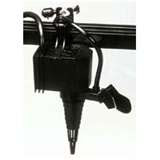 *Penguin Power Heads; I do not generally agree with assessment by about.com on these power heads. Although they do have a neat feature with the reverse flow power head for UG filters (which are not very common anymore), the other nice feature is the adjustable flow feature.
However nice these features are, these power heads have a poor track record for reliability, they have very poor head pressure, and do not re-start well after the pumps have been in service for a while (in applications such as wave makers).
*Jebaeo/Jebo & Finnex Pumps
The review of these two brands is quite simple, both are extreme economy brands that are designed for quick cheap sales by discounters, most definitely not quality aquarium stores or online sellers.
I personally know a distributor for these and other Chinese brands and he also will back up this statement. My own use in particular of the Jebaeo pumps (aka Jebo) is that these are far from durable pumps (in part due to their underrated electromagnet windings).
The warranty on these lines also speak volumes, with the Jebaeo there is NO warranty. If you purchase a Jebaeo and the seller states there is a warranty, either they are lying or they are self backing the pump (good luck if this business sticks around).
The warranty for the Finnex is 6 months with many exclusions.
Another reason I would recommend against the purchase of these pumps is since these are sold via eBay, Amazon, and other purely "here today, gone tomorrow" discounters, is the harm this does to the hobby and industry.
I know for a fact many good top notch local stores, full information retailers, as well as full service distributors/manufacturers are falling by the wayside. The end results may someday be no one to provide good hobby support both directly and indirectly to the hobby. I know this view is shared by many professionals in the industry as well.
The bottom line is to do yourself a favor unless you need something cheap to hold you over until you can purchase a better pump and pass on the purchase of either of these brands of pumps.
Hagen Aqua Clear Power Head
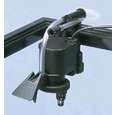 *Hagen Aqua Clear Power Heads; this pump is also over rated by about.com in my extensive experience with them.
I have used more Aqua Clear power heads than ANY other (including the Via Aqua pumps).
When these power heads first came out they were industry leaders in design, however they are of 1980s technology IMO and although they are better than Penguins in reliability and head pressure, they still would stop and not re-start in many of my applications when power was even briefly interrupted, making them a poor choice for wave maker applications.
Aqua Clear power heads also do not handle high organic/debris loads well and need more maintenance than the Rios that about.com incorrectly claimed needed!
Bottom line with Aqua Clear power heads is that they are reasonable “retro” pumps, but certainly NOT the latest in technology!
ZooMed Power Sweep
 *ZooMed Power Sweep; even though I sold these in my business (and I generally like ZooMed as a company), I rarely recommended them.
They are basically a gimmicky power head with poor head pressure and low output. They are not real durable and the “sweeping” directional output feature is run by cheap plastic gears that often fail. These pumps do not handle high bio loads well and are best used in small aquariums or better vivariums where not much is asked of them.
Hydor Koralia Propeller Pump
 *Hydor Koralia Propeller Pumps;
The Hydor Koralia is among the first besides the over priced Tunze Pumps to market a propeller type design to the aquarium hobby, and Hydor does this at a much better price than Tunze.
The propeller design is an excellent idea for low power consumption, yet high water movement in a surprisingly gentle flow of which it owes its gentle flow pattern to its design. The Hydor Koralia Propeller Pump attaches to an aquarium via a magnet that attaches to the glass from the outside holding the motor unit on the inside to the glass.
This is an excellent pump for Reef Aquariums due to this unique design and flow pattern and a pump many of my friends in the professional aquarium maintenance and design business like for certain applications.
These applications are generally tanks under 80 gallons where this flow design is advantageous for crowded reef aquariums and a strong current is desired without the strong smaller diameter column of water generated by most other mag drive pumps.
These propeller pumps (or better the Seio) are also excellent and reliable for use as wave makers (unlike most power head pumps, that are not designed for this type of application as they have too “heavy” a designed for “on/off” applications)
HOWEVER, this pump is not without its faults and unfortunately there are several.
Here are a few problems as noted by these professionals:
- Low quality design that easily breaks including the impeller if debris (which is easily brought into it) comes in contact with the impeller. Also if the unit falls from the glass, it can break easily.
- High price per actual performance; the Hydor Koralia 1 generally sells for twice what a Via Aqua 1300 sells for of the same performance and quite bluntly has a much less durable design than the VA 1300.
The relatively newer Seio 320 Propeller Pump is a vastly better choice when value is considered - The magnets can let go and often do in aquariums with 3/8 inch or thicker glass (although this is a rare problem in tanks with ¼ inch glass which is why they are a reasonably good pump choice in tanks under 80 gallons
- In Larger tanks standard power heads such as the Rio 1700 are simply a more durable and better choice.
- When used as a wave maker many report a lot of noise (although many pumps can have this problem).
(6) They are purely water movement pumps and CANNOT be used to run UV Sterilizers, Sumps, or any other application where a pump with a standard outlet that can be hard plumbed or added vinyl tubing is necessary.
Seio Propeller Pump
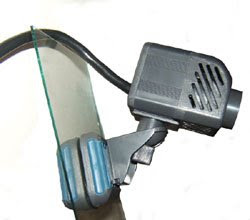 *Seio (Rio) Propeller Pumps;
The Seio Propeller Aquarium Pumps are finally past the testing phase in aquarium maintenance use where I can make some notes based on the use of many Seio pumps.
Unlike my recently hoped for but disappointed tests with the internal UV Sterilizers (marketed by Jebo/Jebaeo, JBJ, Killing Machine) where I was really hopeful for a new cutting edge product, but let down after use; The Seio Propeller Pumps have passed with the quality I hoped for.
The Seio Propeller Pump is vastly more economical than the Hydor Koralia with a better ceramic design as well as a more compact size. As with most other propeller pumps, the Seio is the best design for use with wave makers.
I would recommend this propeller pump over the Hydor Koralia.
The Seio 320 (320 gph) is best for ¼ inch thick glass, while the Seio 530 produces a flow of 530 gph (2000 LPH) and is recommended glass thickness 3/8" or less.
The Seio 320 is comparable to the Hydor Koralia 1 (actualy slightly more output), but is also almost half the price with a more compact reliable design.
If you in need of a propeller aquarium pump, this is definitely the pump you should consider!
Where to purchase: Seio Propeller Water Circulation Pumps
VorTech Propeller Pump
 *VorTech MP40 Propeller Pumps;
This propeller pump has become the latest fad in reef keeping circles, and in part for some good reasons, but unfortunately it also has some serious flaws too.
The VorTech MP40 Propeller Pump in particular has some nice features such as wireless control and battery back up. It is also a well designed pump with many wave and broad flow & flow rate options.
One feature that is touted by many is not a really positive when one examins it in more depth with years of experience using magnetic drive pumps. Unfortunately the magnetically coupled design for driving the impeller in the water from outside the aquarium or pump housing has been tried before.
The magnet required for this feature unfortunately is easily uncoupled from the electromagnetic current from outside the glass, often due to debris in the water.
The more common method of using an impeller in a magnetic well certainly has its drawbacks too, but impeller uncoupling from the magnetic current is much less common with this design (the before mentioned manufacturer went back to an impeller well design after too many of their filters ceased functioning because of impeller uncoupling).
This magnetically coupled design is also touted because you have have no risk from electrical malfunction inside the aquarium. However this too is a misguided attribute, as in literally over 1000s of magnetic drive pumps I have used inside the aquarium; when the pump did fail, there NEVER was any disastrous electrical meltdown or similar in part due to the fail safe epoxy design.
Another cool feature is the "VorTech Battery Backup" touted as "reef tank insurance in an aluminum housing". While not a new idea, since I have been using and even designed my own as far back as 1988, this is the feature I like best.
However the jury is still out on this feature as many who have purchased this have had it fail when needed most!
In the end, with the high price, I think this is a cool product that is also "buyer beware" since this well marketed and over hyped product is more of one of those products where you could do better purchasing a more proven propeller pump such as the Seio or Hydor and a Wave-maker to go with it.
As well more proven air powered back up pumps or your own DIY Inverter/RV battery back up system could be designed.
Further Reference for Power Outage Answers:
Aquarium Power Failure, Tank Moving
Where to purchase alternative products:
Hydor Smart Wave-Maker
Non-Stop AC/DC Pumps
Eugene Danner (Supreme) Pond Master Pump
 This is a "tried and true" line of light to medium duty primarily pond, but also aquarium sump pumps.
These are among the first epoxy filled/electromagnet water circulation pumps, and are still better than many.
I personally have used these for now decades with at least reasonable results, mostly in small pond applications
My only complaint is when compared to the more modern Taam/Rio HF series at a slightly lower cost and with vastly superior head pressure and slightly better reliability, these are simply not a good value.
The newer yet SunSun line, while not as tried and true as either the Pondmaster or Rio HF series, has already proved in about 2 years of use (as of 2013) to be AT LEAST as reliable with equal and better head pressure for a MUCH better price.
Good example of superior head pressure and value pumps are the Rio 32HF and SunSun JAP-8500 pumps
The bottom line is while still a good water pump, the PondMaster is simply obsolete when compared with other newer generation water pumps when value and head pressure are factored in. For this reason I personally have ceased selling all but one model of this pump
Where to purchase:
*Rio 32 HF Medium/Heavy Duty Pond/Sump Pump
*SunSun JAP-8500 Heavy Duty Amphibious Pump for Pond/Aquarium Systems
Via Aqua Power Head/Submersible Pump
 *Via Aqua; this is a real workhorse line of pumps that is VERY widely used in the professional aquarium maintenance community yet when available rarely got mentioned by many consumer driven reviews.
Unfortunately Via Aqua has ceased production of the excellent value pump, in part due to the economy, but mostly due to unethical practices by another company.
These pumps in the power head line (not the basic line) also have ceramic shafts and very durable construction. Via Aqua pumps (along with SunSun) can be used in sumps or as a power head and have excellent head pressure.
The Via Aqua power head line (such as the VA 1300) can be submersed or used in line which adds to versatility that not all pumps can match. For Aquarium sumps (usually in marine applications) the Via Aqua 2600, and 8000 are unsurpassed in usefulness, especially when costs vs. performance is compared.
Again the only con is these pumps can be a little noisy, but only when used in line. Via Aqua power heads (as with SunSun, Rio among others) are also not as adjustable in flows as some other power heads, but this a minor inconvenience IMO. This inconvenience is more than made up for in versatility!
I will also admit to a couple of models by Via Aqua that I not recommend due to less than desirable durability and these are the 2100, 2300, and 4900 (the 4900 has failed miserably every test I have performed on them).
Where to purchase:
*Via Aqua 1300; Now SunSun HJ 1542
*Via Aqua 2600; Now SunSun HQB-3500
*Via Aqua 8000; Now Superior SunSun JAP 8500
SUMMARY:
I have had persons also ask me why many brands such as SunSun, Rio or Via Aqua are not as commonly available as Hagen and does that make them of lower quality as no one really wants them?
The answer is quite simple; Hagen is sold through a larger network of mainline Pet Store distributors (although they are now transitioning to their own in house distribution system). This system promotes an all or nothing approach to marketing their products basically meaning you carry the whole line (good and bad) or not get discounts or even sell anything at all. This marketing system has been very successful (not to mention slick packaging), however this does not mean a better product.
Rio (among many other professional brands) do not sell through traditional marketing distribution methods and systems, rather it sells many high end Marine fish importers and similar without all the expensive marketing gimmicks.
This in particular places their products in the hands of Aquarium Maintenance Professionals who do not care about slick marketing or whether it is the fad, rather whether it works or not which is why Via Aqua and many other similar high end companies choose to sell this way.
Here are a few more manufactures that sell only (or partly) through high end distributors as well: Sanders, Tropic Marine, Liquid Life, SeaChem, SPS, Two Little Fishies, AAP Wonder Shells (not to be confused with Weco Wonder Shells sold at Amazon & elsewhere) and many more.
If no stores in your area sell Rio (Taam), Seio, AAP, Tropic Marine or similar it is that they choose to buy from the one size fits all mainline distributors that also are the primary stockers of stores such as PetCo as well.
Other Recommended Reference/Product Sites

Marine Aquarium; Basics to Advanced

Aquarium Lighting
The Internets most researched and up to date Aquarium Light Information
 FISH AS PETS
Fish as Pets with articles & commentary of Interest to the Aquarium Hobby

Aquarium & Pond Plumbing Parts
Unique and often difficult to locate parts to help plumb your aquarium or pond system.
This includes diverter valves, back flow check valves, couplings and more
 UV Replacement Lamps/Bulbs
For TRUE High Output, Hot Cathode, Low Pressure UVC Germicidal Bulbs, not the low output medium pressure bulbs commonly sold at Amazon or eBay
The best in Quartz, Under gravel, and Submersible Heaters:
ADVERTISEMENT
Labels: about.com, Aqua Clear, Aquarium Pump, Hagen, Koralia, Maxi Jet, Power Head, Rio, Seio, Submersible Pump, SunSun, Taam, thereeftank.com, Via Aqua

Mollies in Aquariums; Molly Disease, Shimmies
KEEPING MOLLY FISH IN AQUARIUMS & MOLLY DISEASE (Shimmies/ Livebearer Disease)
By Carl Strohmeyer-PAMR 40+ years experience
Updated 5/12/21
Sections include:
 The Molly is from the same Genus as the guppy and Endlers livebearer; Poecilia and the family: Poeciliidae, the same as other livebearers.
One of the earliest described (& kept) Mollies was the sailfin molly, in 1821 as Mollienesia latipinna by the naturalist Charles Alexandre Lesueur.
The other is the common "short finned" Molly; Poecilia sphenops, which is one of the ancestors of the popular black mollies.
Mollies wild habitat consists of fresh, brackish, and coastal waters from the Carolinas to Texas, peninsular Florida, and the Yucatan Peninsula of Mexico.
Mollies prefer marshes, lowland streams, swamps, and estuaries.
Mollies do not have any one exact habitat in common, including salinity (despite some misconceptions here).
What they do have in common is water high in alkalinity, Calcium and General Hardness.
References:
*Aquarium Chemistry; Alkalinity, KH
*Aquarium Chemistry; GH, Minerals
 Mollies only thrive in water that is very high in GH and Calcium (a GH over 250 ppm GH), pH over 7.8, KH over 100+ (ppm), and some salt, about 1 teaspoon per 1 gallon or 3-4 liters (or 1.002 to as high as 1.006 specific gravity).
Mollies can easily survive in a specific gravity (salinity) of 1.012 which will not support parasites such as “ich” that may infest them at lower salinities.
 What many hobbyists do not understand about mollies and their natural habitat is that although salt is very useful for disease prevention, it is the other ingredients in Marine Salt that really make a difference in Molly health, and that is Calcium, Magnesium and the many other major/trace elements along with electrolytes available there in.
What ALL Molly habitats have in common is hardness/high mineral water, NOT salt (although added true sea salt can be helpful during times of stress for all Mollies)!
Understanding this will go a long ways in keeping healthy, happy mollies.
WITHOUT adequate calcium, magnesium and other essential elements in the water as well as a healthy Redox Balance (in other words, a constant supply of mineral Cations), you will most likely have trouble maintaining a healthy Molly population in your aquarium.
With the right parameters, Mollies can be one of the easier fish to breed and keep and be very enjoyable fishy pets.
For this I recommend Tropic Marin Reef Salt from Germany (which is sold by the pound to make it more readily available for smaller uses).
Further Reading/Reference: Aquarium Redox
 Maintaining correct Calcium and other necessary element levels will aid in healthy osmoregulation which will in turn result in healthier more disease resistant fish.
Further Reference: “How do Fish Drink; Proper Osmotic Function”
You can maintain Mollies in a community tank with many but only the most sensitive South American Fish.
Other livebearers that do not have as high of mineral requirements will also do well in an aquarium that is at least kept to minimum Molly requirements.
If you intend to keep Mollies in a community aquarium with other fish such as Platties, Gouramis, etc; here are the minimum requirements I would suggest:
- pH – 7.5 - 8.0
- KH -100 – 150+ ppm
- GH – 200 -300+ ppm (important!)
Best maintained with a fresh supply mineral Cations for osmotic regulation and to lower oxidative stress. The AAP Wonder Shell is your "best bet" here. - Salt (quality marine or cichlid salt is best here, NOT cheap "aquarium salt" such as that sold sold by API) – 1 tablespoon per 5 gallons to 1 teaspoon per gallon
Strongly Recommended Product Resource: AAP-Tropic Marine Pro Reef Salt from Germany, Also for Mollies, etc.
Here are a few products I would suggest for maintaining these levels:
- AAP Premium Wonder Shells; (the ONLY Authorized full online retailer with the freshest product, unlike clearance product sold elsewhere including Amazon that are often missing important mineral Cations)
These are great for maintenance of GH, Calcium, Magnesium, Positive mineral ions (cations essential for Redox Balance & long term fish health) and other essential elements and are also safe and in fact quite useful for general community tank essential element maintenance.
Wonder Shells are also available in a Medicated version from high end retailers - Sea Chem Buffer (Marine OR Malawi);
This is useful for increasing KH and maintaining a safe AND BALANCED alkalinity/KH level (unlike Baking Soda!).
Please see this article for more about this subject:
“Aquarium Chemistry; Basics to Advanced” - AAP/SeaChem StressGuard;
 An excellent TEMPORARY Redox reducer. StressGuard contains protein active colloids. This protein active colloidal agent actively seeks out any wounds, abrasions, or places where exposed proteins are and attaches to this area to help directly deliver the disinfectant in the product and start the healing process
Please see this article for more about this subject:
Aquarium Disease Prevention; Treatments to have on hand - Aragonite, oolitic sand, oyster shell or crushed coral in a filter bag;
Of these aragonite or oolitic sand is the best, however all are poor at to reacting to rapid changes in water chemistry that can affect GH and KH which is why I recommend the first two more (although in a well maintained, non over crowded aquarium, rapid changes should be uncommon).
Oolitic sand is even more effective when used in a Fluidized Sand Bed Filter.
Product Reference: TMC Premium FSB Filters, Including Oolitic Media Option

Feeding:
Mollies are omnivores and will eat most foods offered, however a Molly must have quality vegetable matter in their diet for optimum health such as Spirulina.
Two highly recommended foods that contain Spirulina would be AAP Spirulina 20 & Clay Neighbor's AAPs Custom Omnivore Diet
This should be supplemented with live, frozen or Freeze Dried worms, Brine Shrimp or similar foods.
As well, with a Molly's short but energetic life, quality protein sources such as whole Menhaden fish meal, shrimp meal, and/or egg whites along with fiber rich binders such as pea flour.
Also important is optimizing the energy levels in the diet, as most commercial fish foods (even those considered premium), do not properly optimize fish food energy levels as per University of Florida research. This can result in "fatty" fish and lower disease resistance.
The ONLY fish food currently on the market that follows this research is the before mentioned AAP Custom Premium Fish Food Crumbles
Where to purchase:
AAP Spirulina 20 Premium Fish Food Flake
AAPs Custom Premium Omnivore Diet by Clay Neighbor's
ADVERTISEMENT
MOLLY DISEASE (Livebearer Disease/ Shimmies)
 With this "disease", The Molly Fish stay in one place and wiggle, rock, wag and/or "shimmy" (hence the term "Shimmies").
Molly Disease generally is not technically a disease at all, rather a condition/syndrome brought on generally by poor water conditions; electrolytes in particular.
Often this is missed by many aquarium keepers who lack two important test kits; the KH & even more important GH Test kits (either liquid or test strips). So please do not rely on only a Master Test Kit if this is all you have.
As well, secondary infections may accompany this condition or parasitic protozoan infections such as Fungus/Saprolegnia or Velvet may also mimic or even be present along with Shimmies/Molly Disease, so treating with products such as AAP Super Fungus Plus or AAP Super Velvet Plus might be advised.
Reference: FRESHWATER VELVET - (Piscinoodinium pillulare) & COSTIA (Ichtyobodo Necatrix)
The video below is a good illustration of a Molly with "Shimmies"

Molly Fish with Shimmies, Shimmy
Treatment is generally easy assuming the condition is not too progressed.
Improving water chemistry as as per the "Aquarium Chemistry" article referenced earlier in this article is the first step and a MUST READ for more complete information on this important subject!
Although salt is not essential to most Mollies despite claims to the contrary, the addition of 1 tablespoon per 5 gallons to 1 teaspoon per gallon of Aquarium Salt generally aids in Molly Disease initially (sometimes 2 teaspoons per gallon is needed, assuming other tank mates can tolerate this, of which Guppies should do fine with this level of salt).
Further Reference: The Use of Salt, Sodium Chloride in Aquariums
Addressing positive mineral ions and buffering is the next step, especially for long term and prevention (salt is not always needed long term).
AAP Wonder Shells are probably the simplest solution to the positive mineral ion issue (cations/electrolytes), but there are other methods as well including combining Wonder Shells with "AAP Super Fungus Plus".
The Medicated AAP Wonder Shell may be needed initially along with "AAP Triple Sulfa" or maybe "Spectrogram Wide Spectrum Anti Bacterial" if secondary infections are present.
The use of Buffers is the next step, although buffering is not as essential as the mineral cation issue for Molly Disease correcting this "Molly Disease (Shimmies).
SeaChem's Malawi Buffer can correct KH problems and even help with GH and short term positive mineral ion problems as well.
Before going into the section about using medications, it is important to know all the steps as often treatment is much more than dumping medication into an aquarium.
Please read this article before ANY aquarium treatment regimen:
Fish Diseases | How to Treat Sick Fish
Finally, sometimes a Fungus or Velvet treatment is helpful or even necessary.
A simple start would be Copper Sulfate as found in SeaChem Cupramine or "AAP Super Fungus Plus" (better as "Super Fungus Plus" contain Sulfa blends and more which is excellent for Molly Disease).
Medicated Wonder Shells also contain some copper as well as other ingredients helpful for Velvet and other related diseases to Shimmies/Molly Disease.
These medicated mineral blocks are probably the best over all treatment for Molly disease (as well as the addition of salt and buffers), as the Medicated Wonder Shell corrects most mineral electrolyte issues PLUS treats many related disease issues to this condition.
As earlier noted, AAP Triple Sulfa (or AAP Spectrogram (more wide spectrum) may also be helpful in tank for healing of the fish epidermis that sometimes is damaged during certain cases of Molly disease.
One more treatment that may help is a Medicated Fish Bath.
This 30 minute procedure utilizing salt (I suggest 2 teaspoons per gallon or even slightly more for Molly Disease), along with Methylene blue, and possibly an antibiotic (I would suggest Triple Sulfa at double tank dose).
This bath should be done twice per day for 30 minutes, tank water should be used for the bath then disposed of after each bath. Generally 4-7 days is sufficient.
Further References:
*Fish Baths; Aquarium Answers
*Aquarium Medications Part 3; Copper Sulfate
*Freshwater Velvet Disease; Aquarium Answers
Where to purchase:
*Medicated Wonder Shell; Molly Disease Treatment
*AAP Super Velvet Plus
*AAP Super Fungus Plus
*AAP Spectrogram
*AAP/SeaChem Cupramine Copper Treatment
*API Triple Sulfa Fish Treatment
*AAP MethyBlu; Premium Methylene Blue Fish Treatment
Mollies can be interesting and colorful fish for your freshwater aquariums.
Usually these are hardy fish except when the water conditions they require are not present, especially mineralization and to a lesser degree salt.
Mollies can do well in a community tank with other fish provided the right water parameters are present.
I do however caution adding Sailfin mollies to aquariums less than 20 gallons (75 liters). Smaller molly types such as black, balloon, gold-dust, etc., will do OK in 10 gallon aquariums. Keep in mind that a poorly maintained aquarium of ANY size cannot hold as large or as many fish.
Also note that mollies (as with all livebearers) can be prolific breeders and unless you are prepared for their offspring, it is best to have only male mollies (single females can still to store unused sperm from the male fish in her body for several months through a process called "superfetation").
Other Recommended Reference & Product Sites/Videos
Molly Care; Fish Profile
* “Wet Web Media; The truth about mollies"

The most effective medication BAR NONE for the treatment of Columnaris in an aquarium when used as part of the four step program of Columnaris treatment.
A more synergistic combination than purchasing Kanamycin & Nitrofurazone separately.
AAP Spectrogram; Synergistic Kanamycin/Nitrofurazone

YouTube; How to: 4 Steps Columnaris Treatment Fish Bacterial Infection
This video goes over the basics of the full four step plan of properly treating Columnaris in aquarium fish and is a compliment to a FULL reading of this article.

A Healthy Aquarium, Disease Prevention
This article includes water chemistry as discussed here, as well this article includes many other important aspects of fish keeping that affect fish health.

UV Sterilization; Importance of UV Sterilizer use for Disease Prevention
UV-C Replacement Bulbs Page 1
For TRUE High Output, Hot Cathode, Low Pressure UVC Germicidal Bulbs, for aquarium or pond

An excellent food source for Molly Fish

Aquarium Lighting, Complete Information
 Decorative Coral
Aquarium Decorations such as:
*Plastic Aquarium Plants
*Aquarium Driftwood
ADVERTISEMENT
Labels: Livebearer Disease, Mollies, Molly Care, Molly Disease, Molly Fish, Shimmies, Shimmy Disease
Fish Anatomy, Fin Identification
This Aquarium Answers Post is simply for fish fin and fish anatomy identification.
The pictures can apply to most fish kept in freshwater and saltwater with the exception of Sharks, Rays, and Skate.
By Carl Strohmeyer-PAMR 40+ years experience
Updated 1/17/19
The first picture is of the anatomy of a bony fish (an Oscar).
Please Click on the picture to enlarge for a better view

Details include:
- Brain: Center of mental faculties of a fish.
- Esophagus: Part of the digestive tract connecting the mouth to the stomach.
- Dorsal aorta: Vessel in the back that carries blood from the heart to the organs.
- Stomach: part of the digestive tract between the esophagus and the intestine.
- Air bladder: Organ that regulates buoyancy in the water.
- Spinal cord: Nervous system part that connects the brain to the rest of the fish’ body
- Kidney: Blood-purifying organ. Common site for infections including dropsy
- Urinary orifice: Opening for urine elimination
- Genital Orifice: opening related to the genital organs.
- Anus: end of the digestive tract.
- Gonad: hormone-secreting sexual gland of a fish.
- Intestine: final stage of the digestive tract.
- Gall bladder: Small sac containing the bile for digestion
- Liver: Bile-producing digestive gland.
- Heart: Blood circulatory organ.
- Gills: Respiratory organ of a fish.
- Eye: Fish sight organ
- Olfactory bulb: Prominent part of the smell organ of smell of a fish.
- Pyloric cecum: Dead end related to the intestine.
ADVERTISEMENT
The second Picture is of the names of fish fins and lateral line also using an Oscar (Cichlid).
Please Click on the picture to enlarge for a better view

This includes:
- Pectoral fin
- Anal Fin
- Pelvic Fin
- Caudal Fin (tail)
- Dorsal Fin
- Lateral Line
- Nasal Opening
- Vent (anus)
Here is a picture of a Catfish for an example of adipose fins and barbels:
Please Click on the picture to enlarge for a better view

Here is a picture of Puffer Anatomy (note that this is an animated picture):

For Related Information:


Aquarium Medications Facts & Information
Other Recommended Reference & Product Sites

Freshwater Aquarium Care; Basics to Advanced
Aquarium Information, Articles

Planted Aquarium Care

UV Bulbs
Premium UV-C Replacement Bulbs/Lamps to keep your UV Sterilizer at peak performance for Aquarium & Pond Disease Prevention, Redox Balance, and Green/Cloudy Water Control.

TMC New Generation Fluidized Sand Bed Filter
Premium, second to NONE Aquarium Bio Filters, that with optional Oolitic Sand, also maintains essential aquarium calcium levels, alkalinity, & electrolytes that are important to ALL Marine life, Goldfish, African Cichlids, Livebearers & more
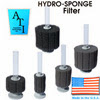
Aquarium Sponge Filters by ATI & AAP
The Premium ATI Hydro Sponge Filter, from the only online seller with professional use dating back to 1978 (prior to the Internet)
*Sponge Filtration; How Sponge Filters Work
Aquarium Chemistry; Complete Basics to Advanced
ADVERTISEMENT
Labels: Anal Fin, Boby Fish, Caudal Fin, Dorsal Fin, Fins, Fish Anatomy, Fish ID, Fish Kidneys, Fish Olfactory bulb, Fish Vent, Lateral Line, Pectoral fin, Pelvic Fin, Pyloric cecum


